
You Won the Hermès Paris Leather Lottery. Now What?
A leather appointment at Hermès in Paris can feel like the ultimate luxury shopping moment: rare, exciting, and quietly charged.
After applying through the Paris appointment system, you were one of the few selected. Suddenly, the possibility of being offered a Birkin or Kelly feels real.
But a Paris leather appointment is not a guarantee of either bag — or the size, color, leather, or hardware you imagined.
Before you walk into the boutique, this guide will help you understand what to expect, how to shape your wish list, and which bags you should be prepared to decline.
At a Glance
Best For: Buyers preparing for a Hermès Paris leather appointment
Appointment Reality: You are not guaranteed a Birkin, Kelly, or any specific offer
Why It Matters: You may not be offered the bag you came in hoping for, and not every Hermès bag holds its value equally
What to Prepare: Understand why you want the bag, what is on your true wish list, and which bags you are willing to decline
Best Strategy: Be clear about what you like without being too narrow
How to Approach Your Hermès Paris Leather Appointment
Winning the Hermès Paris leather appointment lottery is exciting, but it can also make the decision feel strangely high-pressure. You may have one short conversation, one sales associate, and no guarantee that your dream bag is available.
The goal is not to walk in with an endless wish list or a single impossible specification. The goal is to communicate your priorities clearly enough that the sales associate understands your taste, while staying open enough to receive a strong offer if one exists.
This is where many people go wrong. They either ask too broadly and end up considering bags they do not actually want, or they ask so narrowly that there is very little room for the appointment to go anywhere. The best approach is focused, flexible, and honest about how you actually carry bags.
What Is the Hermès Paris Leather Appointment Lottery?
The Hermès Paris leather appointment system is the online process used to request a leather goods appointment at one of the main Hermès boutiques in Paris. It is described as a lottery because demand is high, availability is limited, and appointments are not guaranteed.
A confirmed appointment gives you the opportunity to discuss what you are looking for with a Hermès sales associate. It does not guarantee a Birkin or Kelly, or any specific size, color, leather, or hardware combination.
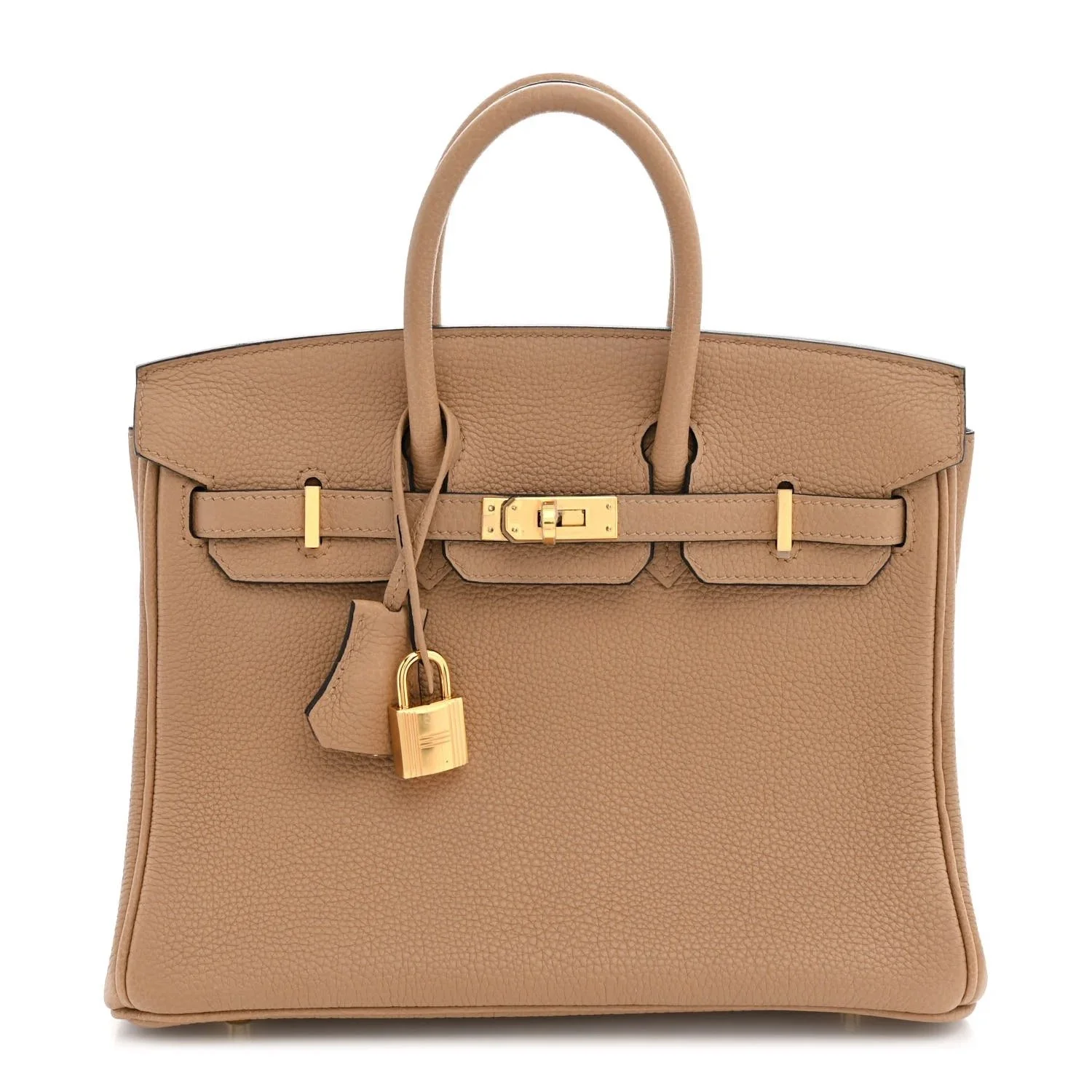
Hermès Birkin 25 in Chai Togo — a warm, versatile neutral that gives the iconic silhouette a softer, understated feel.
How to Sign Up for a Hermès Leather Appointment in Paris
The Hermès Paris leather appointment request is handled online, but is location-sensitive, very competitive, and intended for next-day appointments at three of the Paris boutiques.
Things to know before signing up:
Apply through Hermès’ Paris appointment site: https://rendezvousparis.hermes.com/client/register
Apply on a local Wi-Fi network in Paris or France, since the system is location-sensitive and may not accept requests outside France
You can generally submit one request per day, with a confirmation the following day if selected
It’s highly competitive and demand far exceeds requests
Have your passport or national identity card ready
Choose a boutique preference — Faubourg Saint-Honoré, Sèvres, or George V — or select no preference
An appointment is not guaranteed
A Birkin, Kelly, or any specific bag is not guaranteed
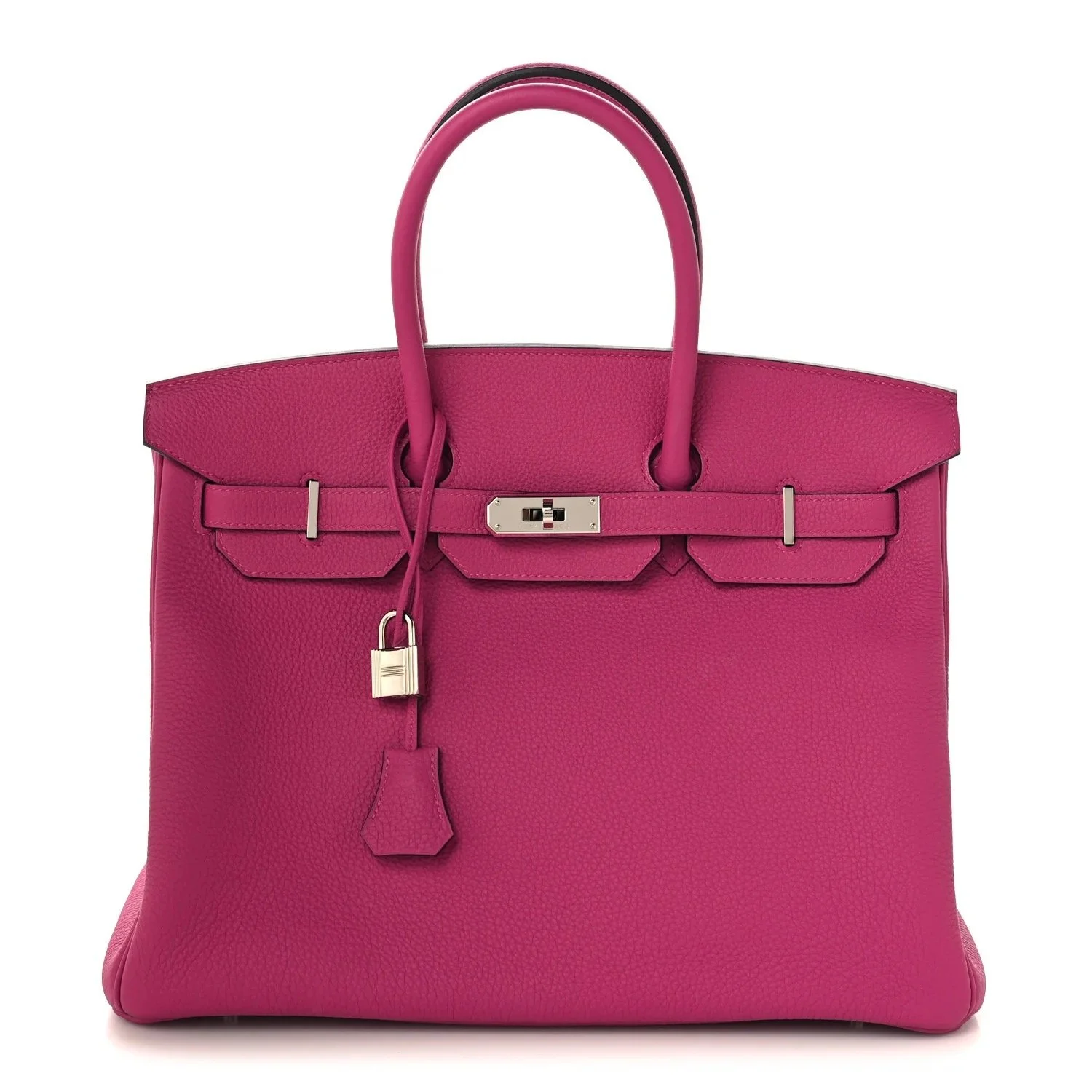
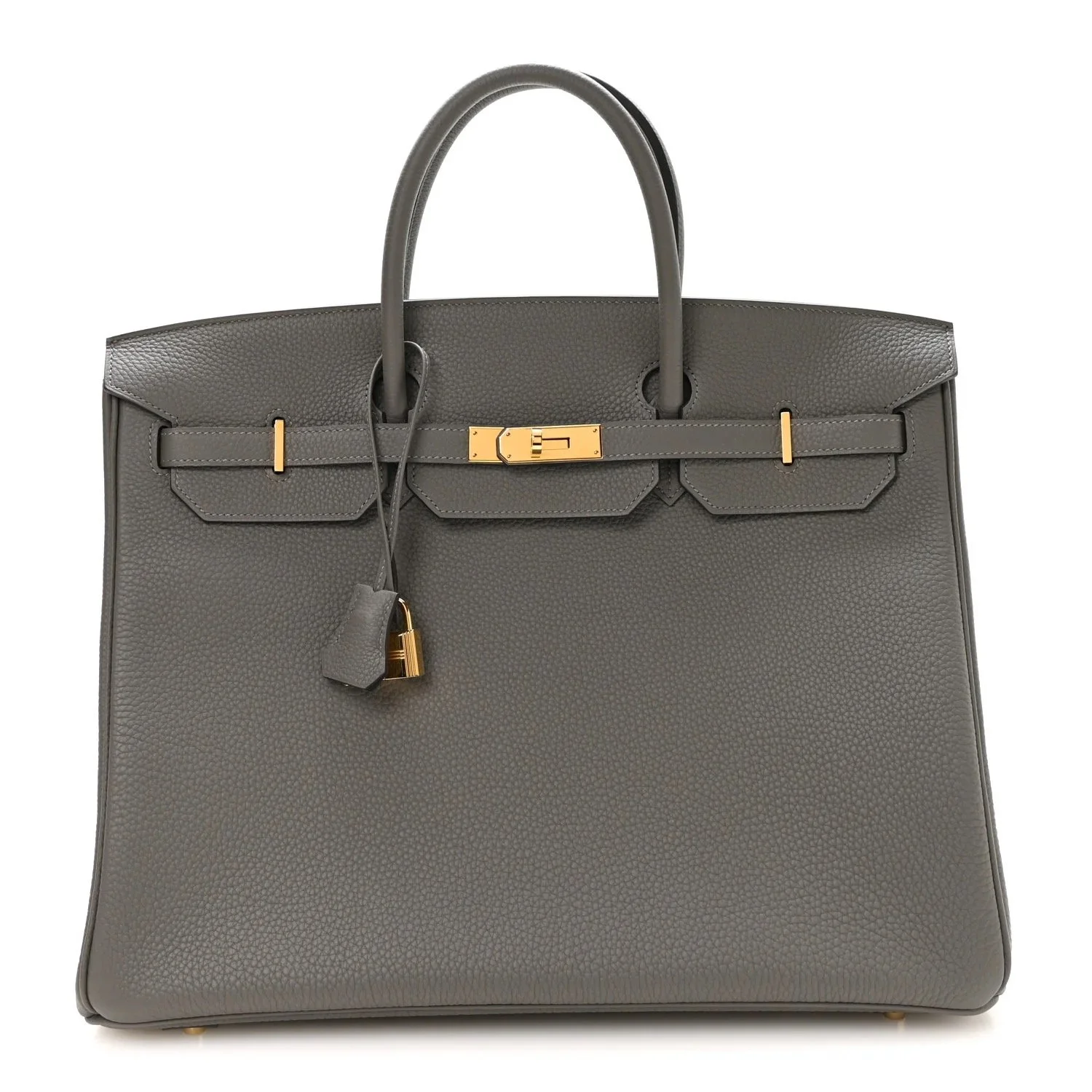
Which Hermès Paris Boutique Should You Choose?
Three main Hermès boutiques in Paris are associated with the leather appointment system: Faubourg Saint-Honoré, Sèvres, and George V. All three carry more than bags, though selection across ready-to-wear, shoes, silk, jewelry, watches, beauty, and home varies by location and day.
If the experience of a specific boutique matters to you, select the store you would most like to visit. If your priority is flexibility, choose no preference. The key is not to overread the choice: inventory is unpredictable, and no store selection guarantees a better offer.
Faubourg Saint-Honoré - The historic flagship and the largest of the three Paris boutiques. It offers the most iconic Hermès experience and a broad selection across categories, but it is also the best known and can feel the busiest and most intense.
Sèvres - A large and architecturally distinctive Left Bank boutique, housed in the former Piscine Lutetia, an Art Deco swimming pool. Its dramatic ash-wood pavilions create smaller shopping spaces within the larger interior, giving the store a more open, design-forward and lifestyle-oriented feel. Shoppers often describe it as calmer than Faubourg Saint-Honoré, and its merchandise mix can differ from the flagship.
George V - The smallest of the three, located near the Champs-Élysées and Paris's Golden Triangle. Its more compact scale can make the experience feel intimate and focused, though selection naturally varies.
No Preference - Choose this if your priority is flexibility and you are open to any of the three boutiques.
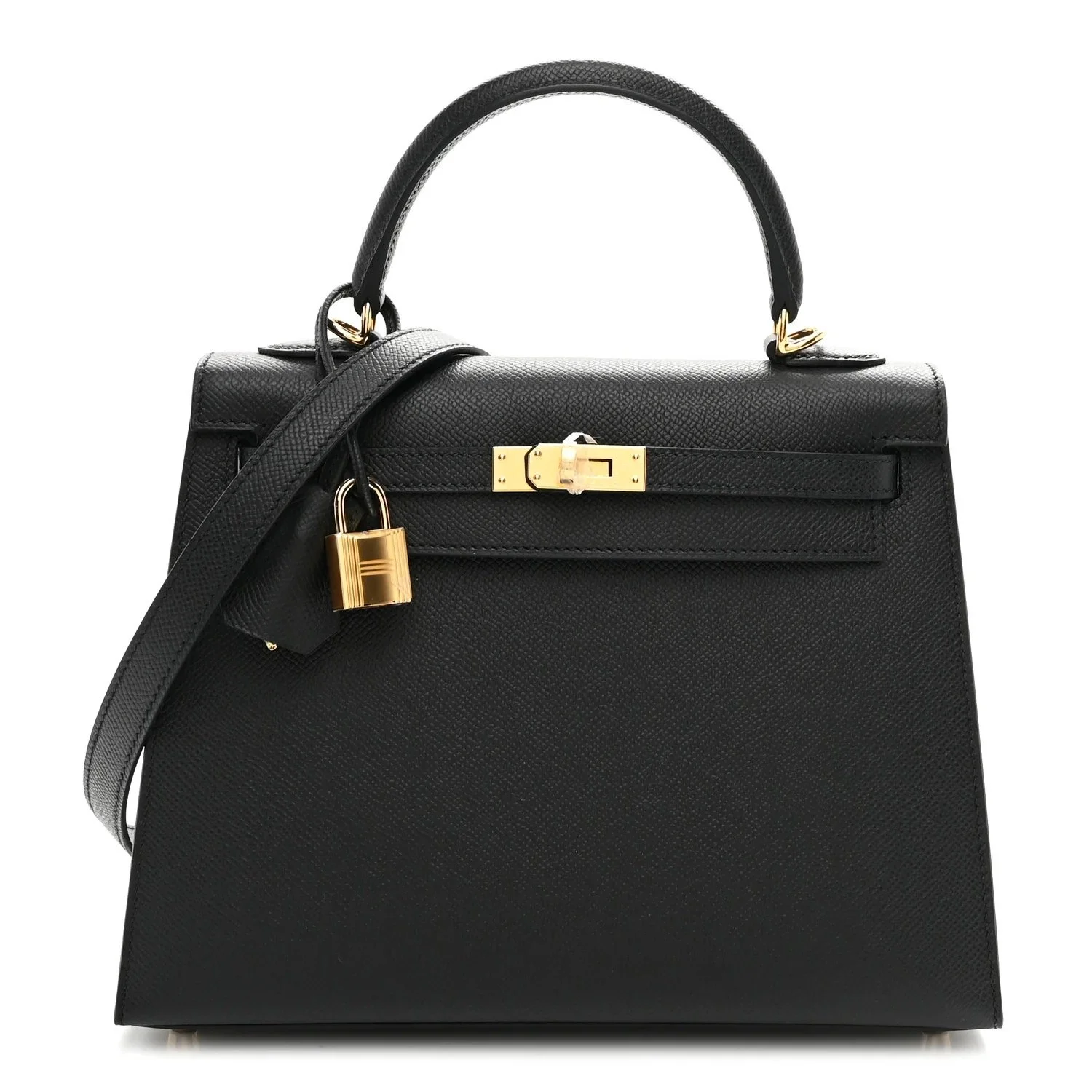
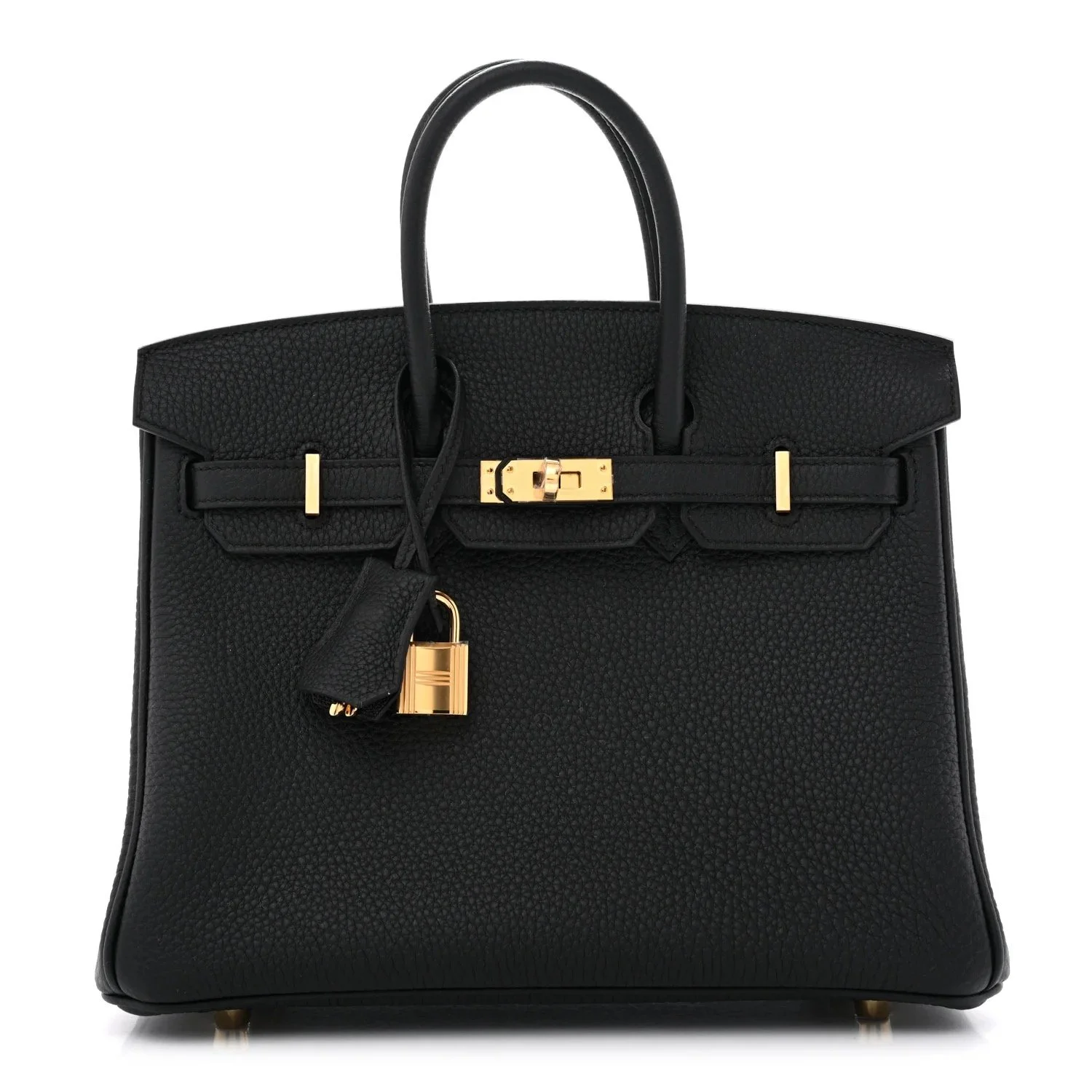
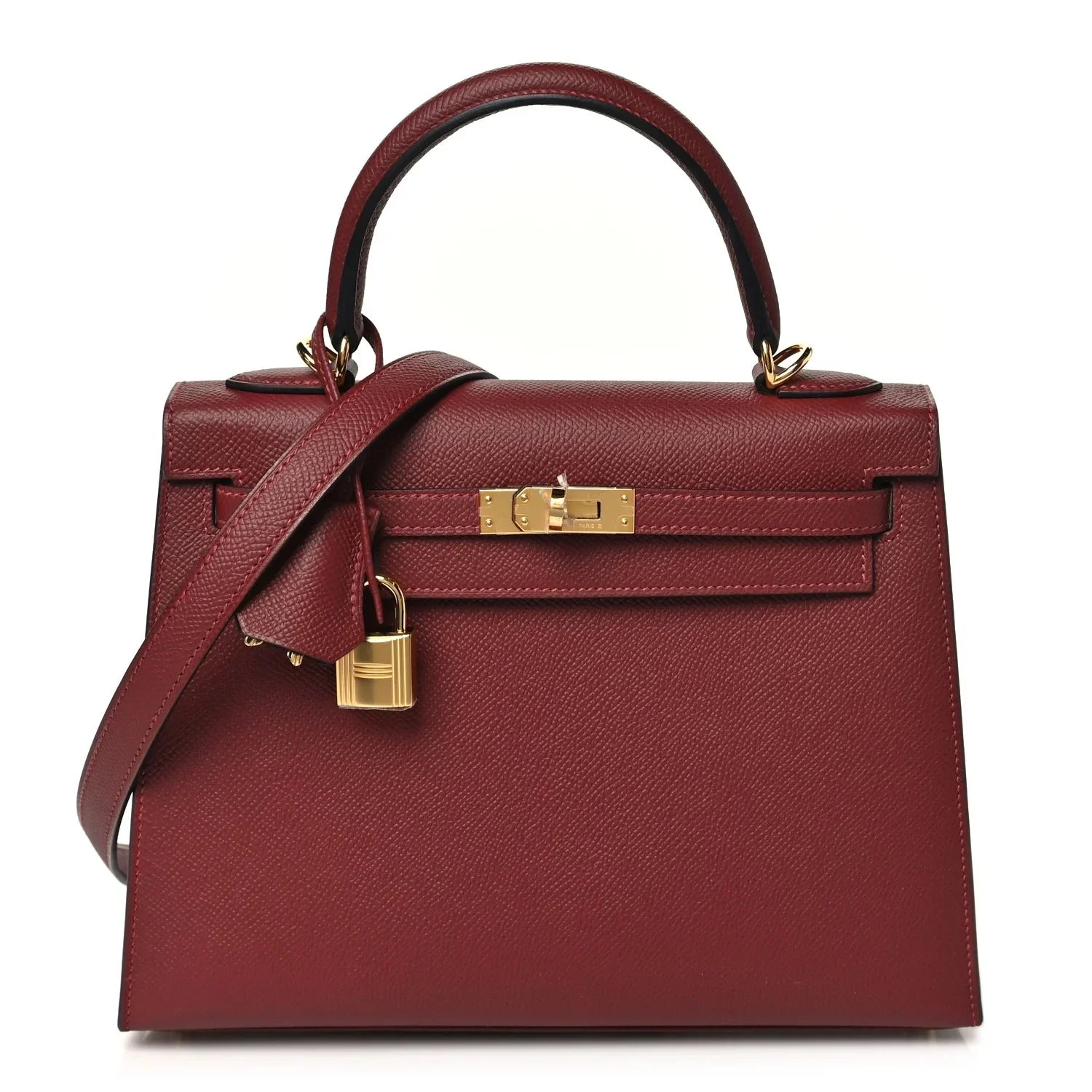
Hermès Kelly Sellier 25 in Black Epsom — a sharp, highly structured interpretation of one of the house’s most iconic silhouettes.
Preparing for Your Hermès Paris Leather Appointment
Before a Hermès Paris appointment, know why you want the bag and what would make an offer worth accepting. The boutique setting can make almost any bag feel rare, but rarity is not the same as value — especially if you are offered a silhouette, color, or size that was not on your original list.
The more clearly you define those limits before the appointment, the easier it is to stay objective if an unexpected offer appears.
Your Intent
Start by identifying the reason behind the purchase:
Investment: The bag’s silhouette, size, color, leather, and hardware should have a strong record of holding value on the resale market
Use: The bag should fit your wardrobe, lifestyle, and carry habits
Both: The bag should feel emotionally right and practical to carry, while still making sense against the resale market
Building history: If you want a longer-term relationship with Hermès, purchases made in Paris can help establish a history there, but they generally do not carry over as purchase history with a U.S. boutique. Paris and U.S. profiles may be linked for quota-bag tracking, but your broader Paris spend should not be treated as a way to build standing with a U.S. sales associate
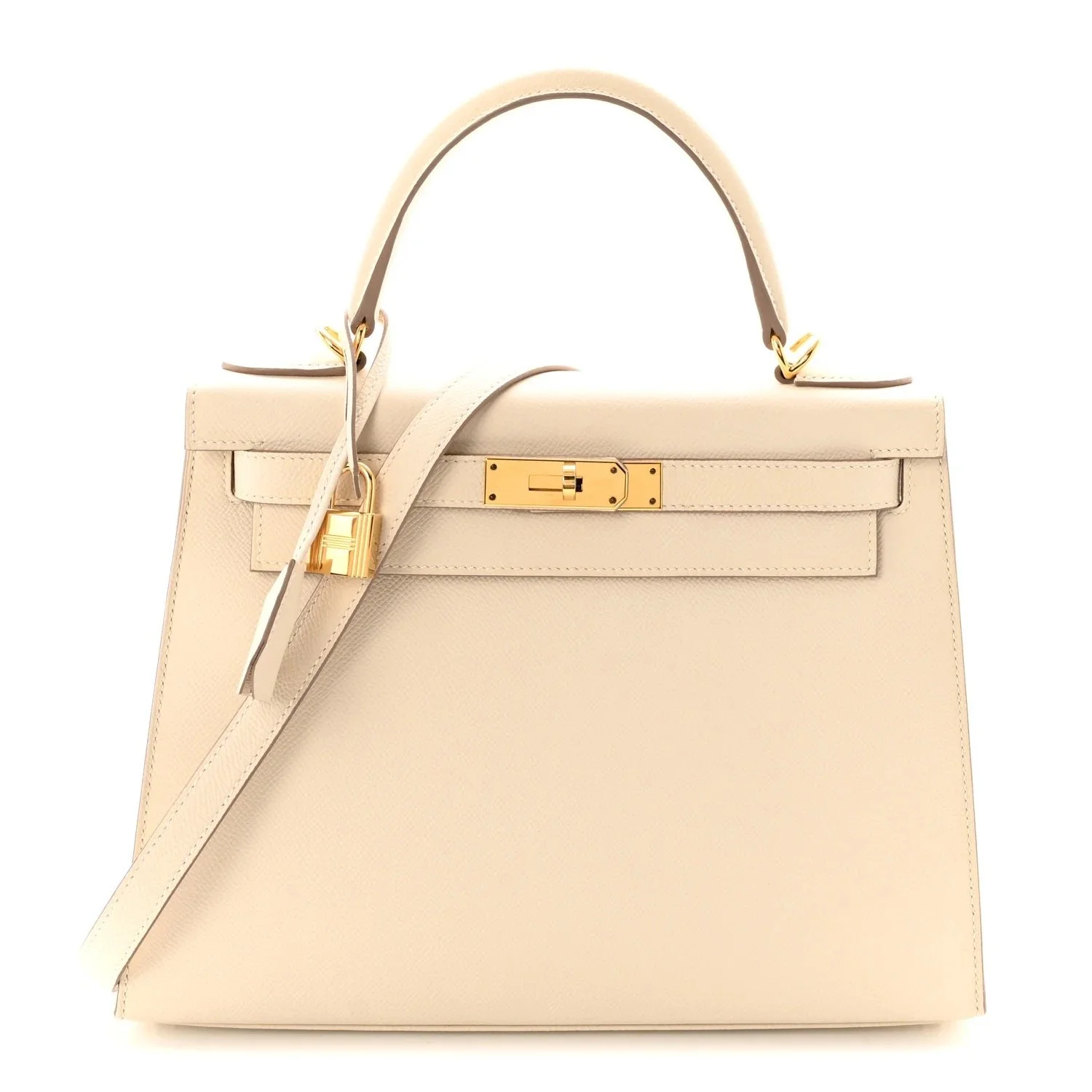
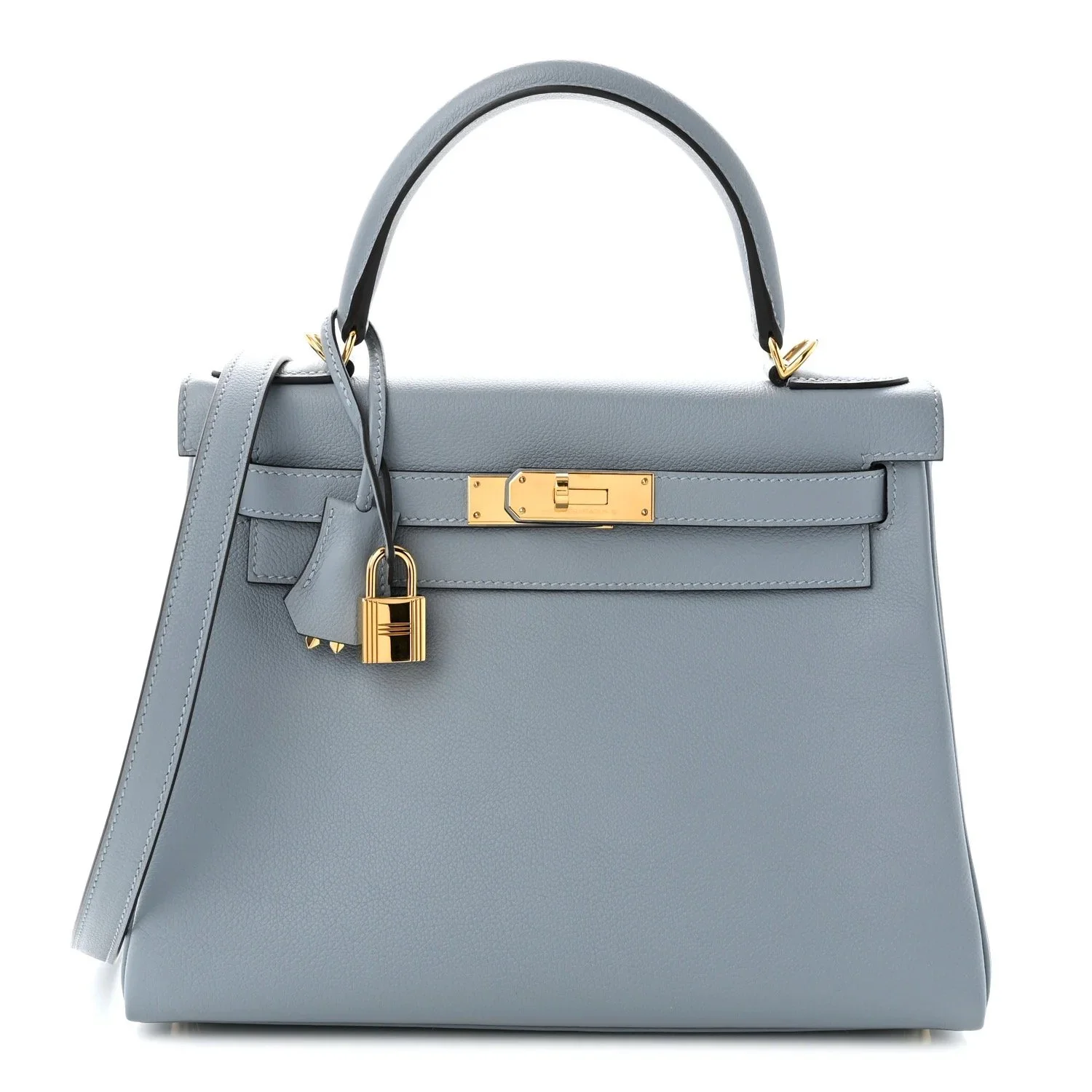
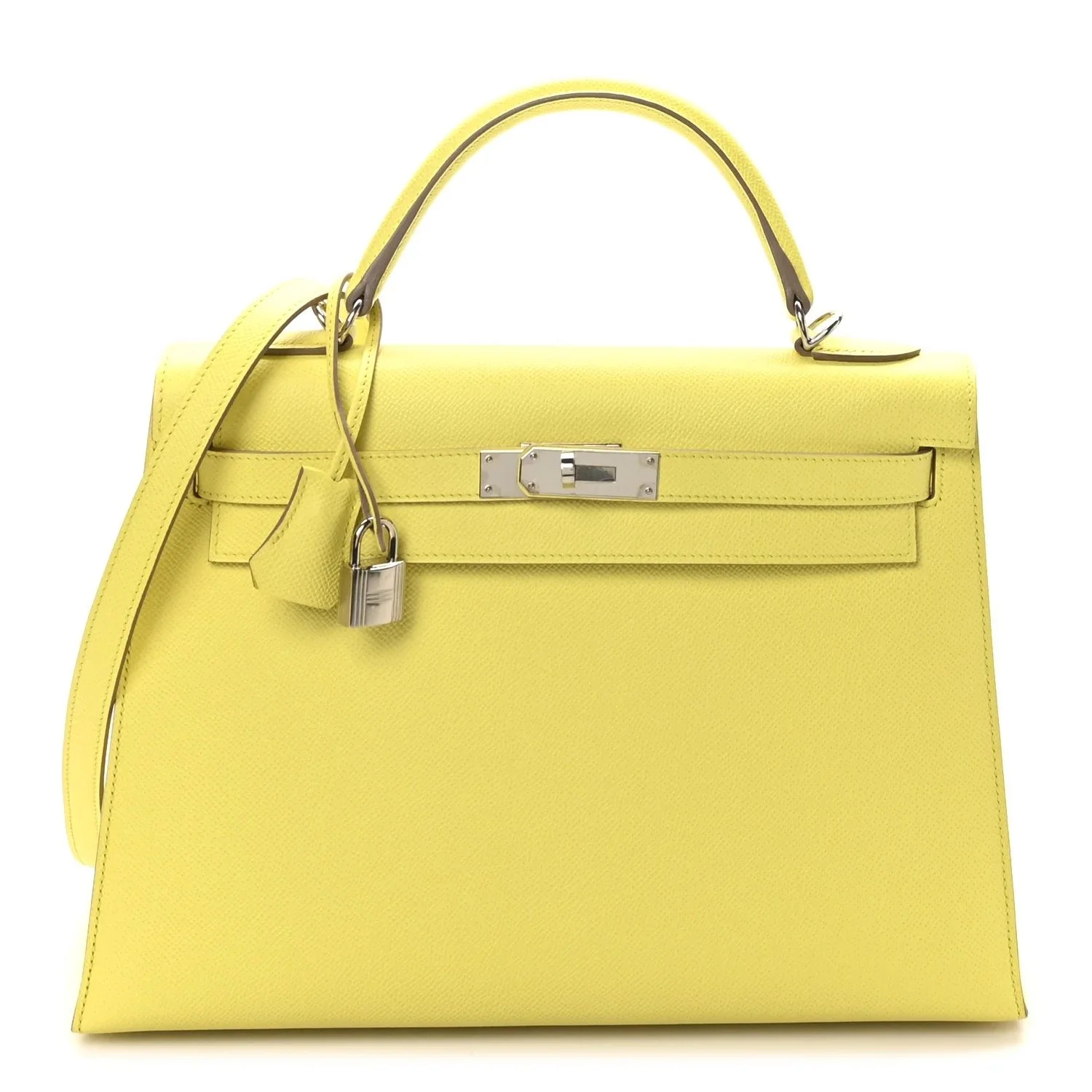
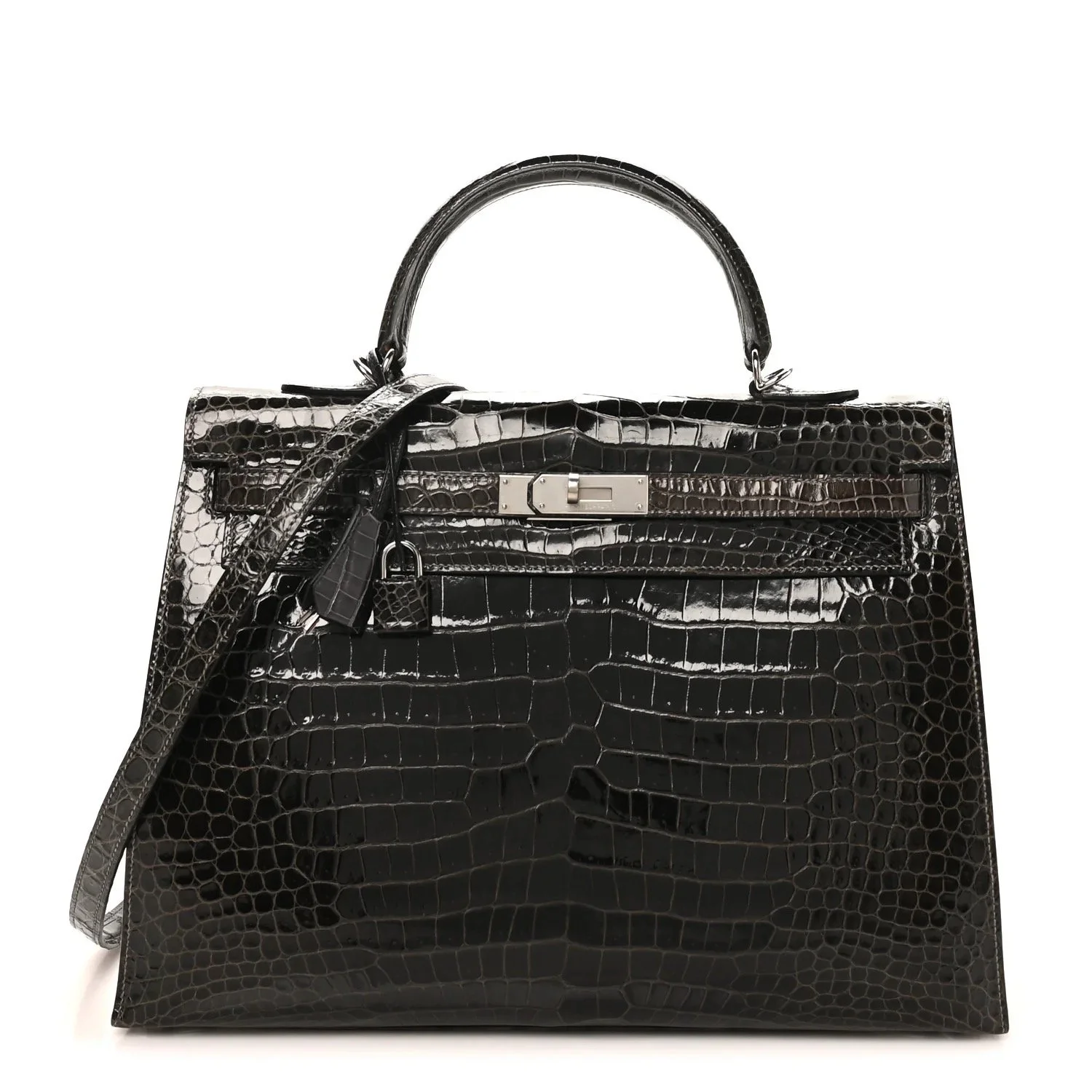
The $8,000 Question
At this price level, the standard should be higher than “it is Hermès.” The bag should be useful, beautiful to you, and understandable at its price.
An expensive Hermès offer can be worth accepting if the bag is one you genuinely wanted, in a size, color, and leather you will carry often. It may also make sense if the configuration has strong resale demand and the price is justified by the market.
It can be the wrong decision if you are buying because you feel lucky, pressured, or afraid to leave without anything.
Resale Value
Do not assume every Hermès offer holds its value equally.
Birkin, Kelly, and Constance sit apart because they have stronger recognition and deeper resale demand. Other Hermès bags can still be excellent purchases, but they are more dependent on size, color, leather, condition, and price.
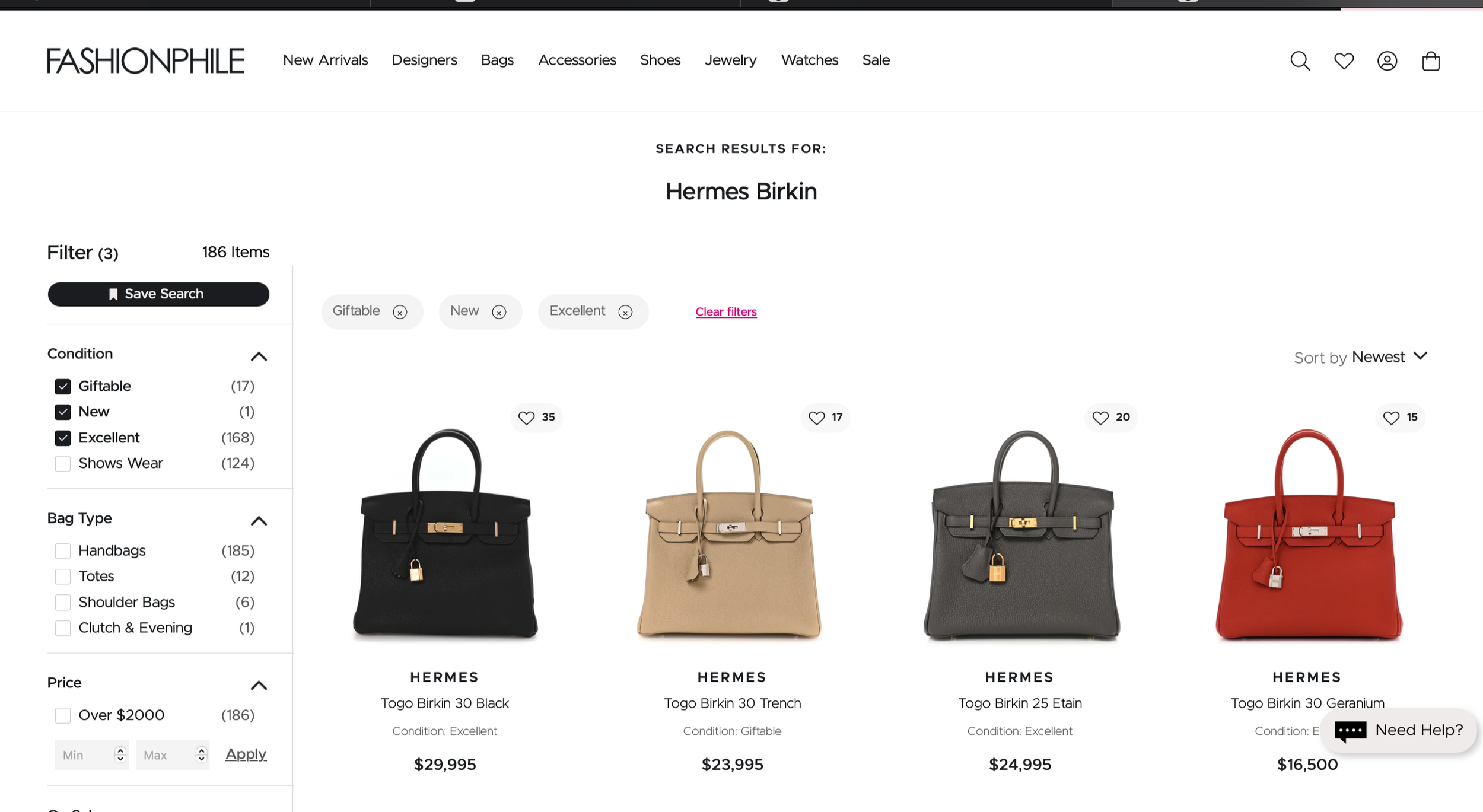
Before the appointment, review current resale listings for any bags you would consider. Pay attention to which sizes, colors, leathers, and conditions hold value — and which trade at a wider discount.
That context makes it easier to recognize whether an unexpected offer is truly strong, or simply exciting because it is being offered in Paris.
Build a Tiered Wish List Before You Go
A tiered wish list gives you a clearer framework for the appointment: what to ask for first, where you have flexibility, and what you are comfortable declining.
Tier 1: Your True Yes Bags
This list should be narrow.
These are the bags you wanted before the appointment — the silhouettes, sizes, colors, leathers, and hardware combinations you would accept with genuine excitement if offered.
For example, this may be a Birkin 25 or 30 in a neutral color and low-maintenance leather, or a Kelly 25 or 28 in a configuration you know you would wear often.
Tier 2: Configurations You Would Still Consider
This tier gives the appointment room to breathe. These are different variations of the bags on your wish list.
For example, you may prefer Togo leather but would still consider Epsom or Clemence. You may prefer a Birkin 25 but would still consider a Birkin 30. You may have a favorite neutral, but would still consider a small range of colors you would genuinely wear.
The point is to know where you have flexibility before the appointment begins.
Tier 3: Other Silhouettes You Would Genuinely Consider
This tier is for bags outside your main Birkin or Kelly request.
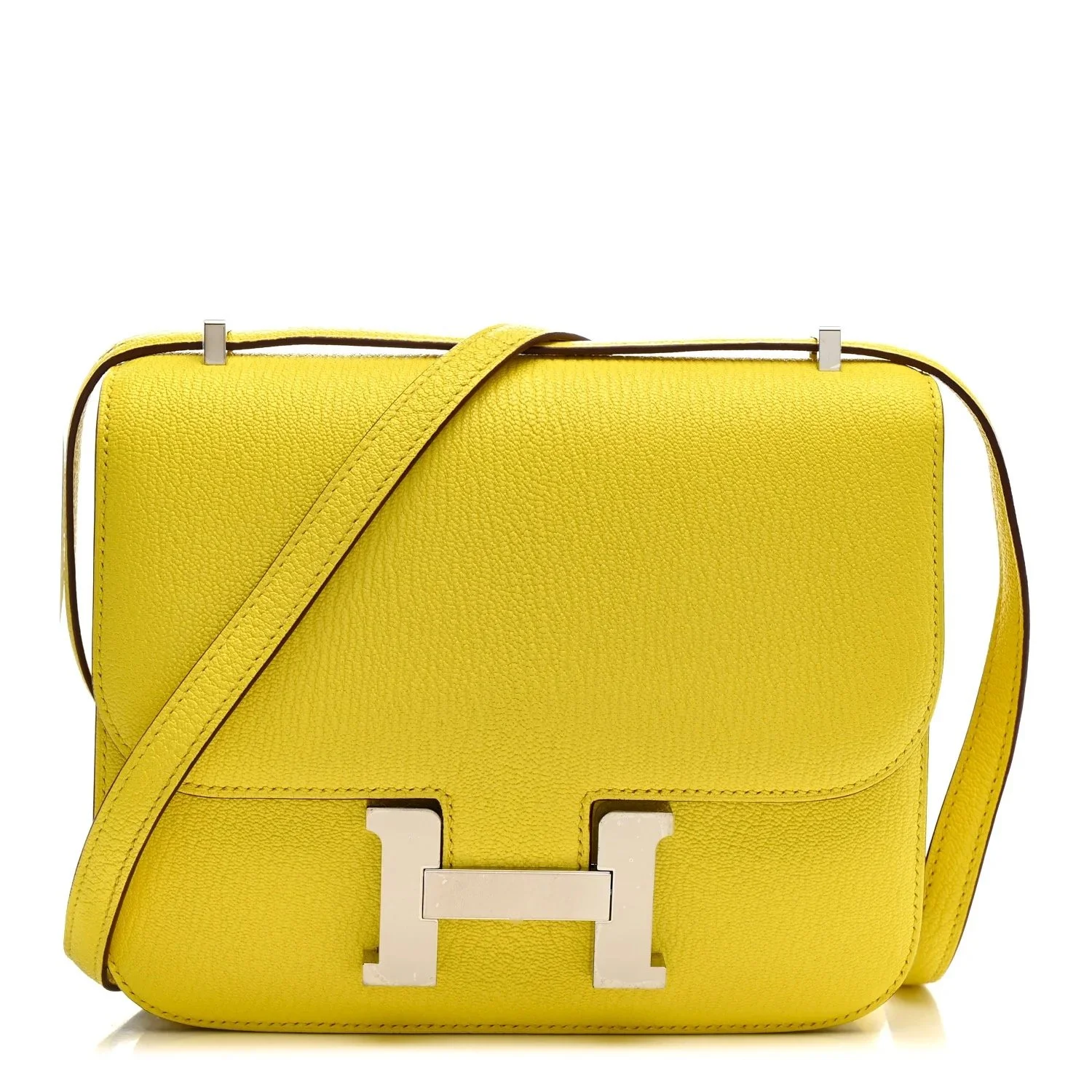
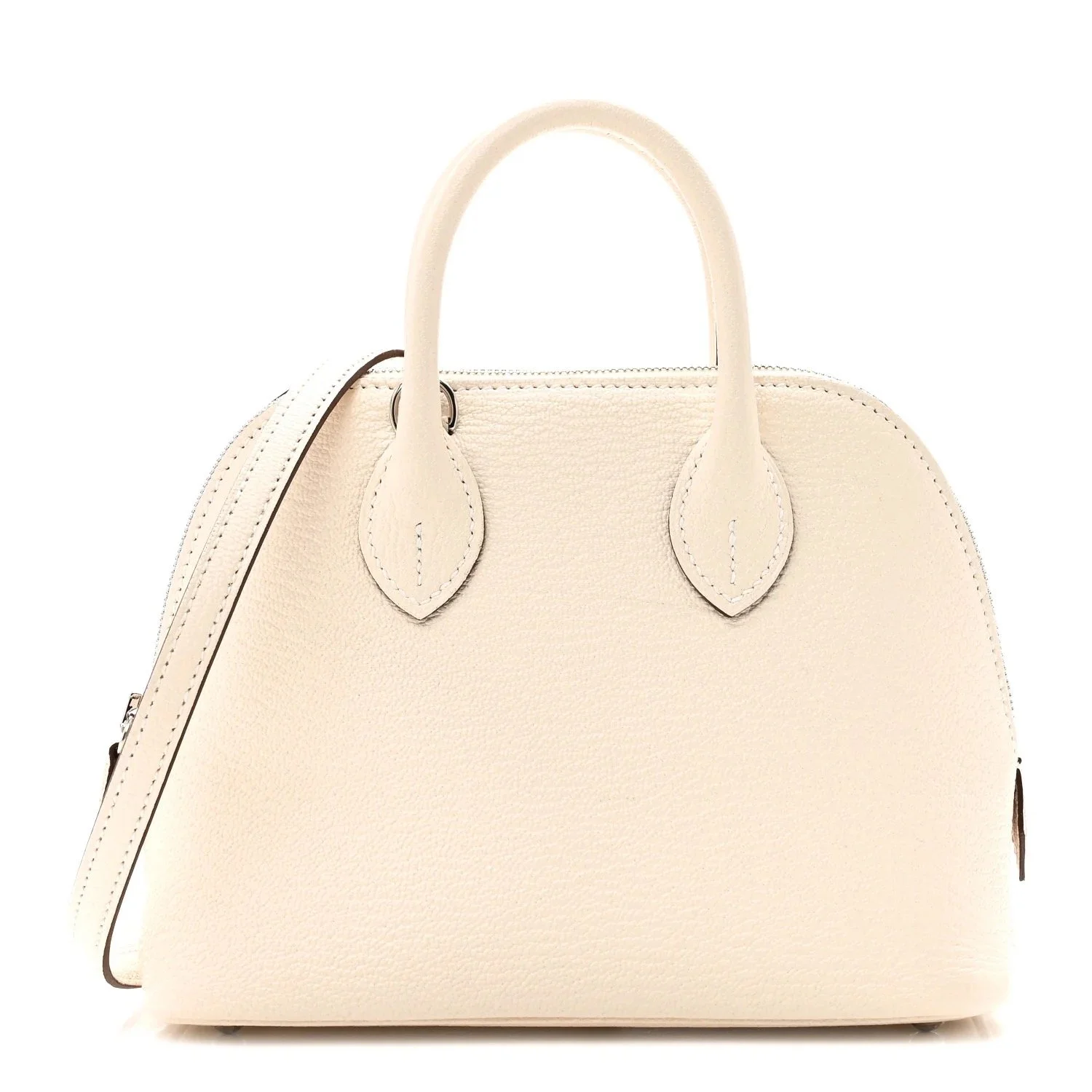
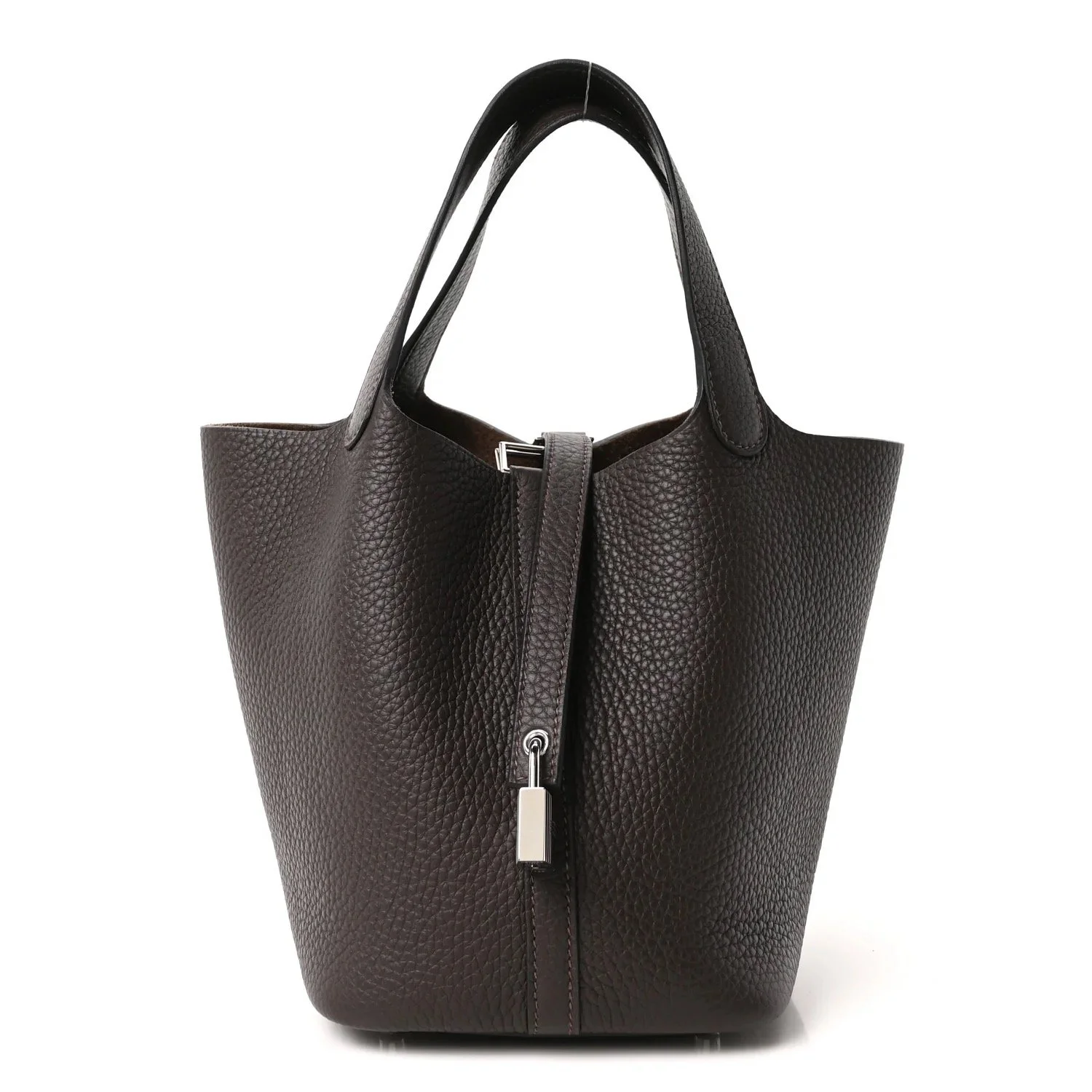
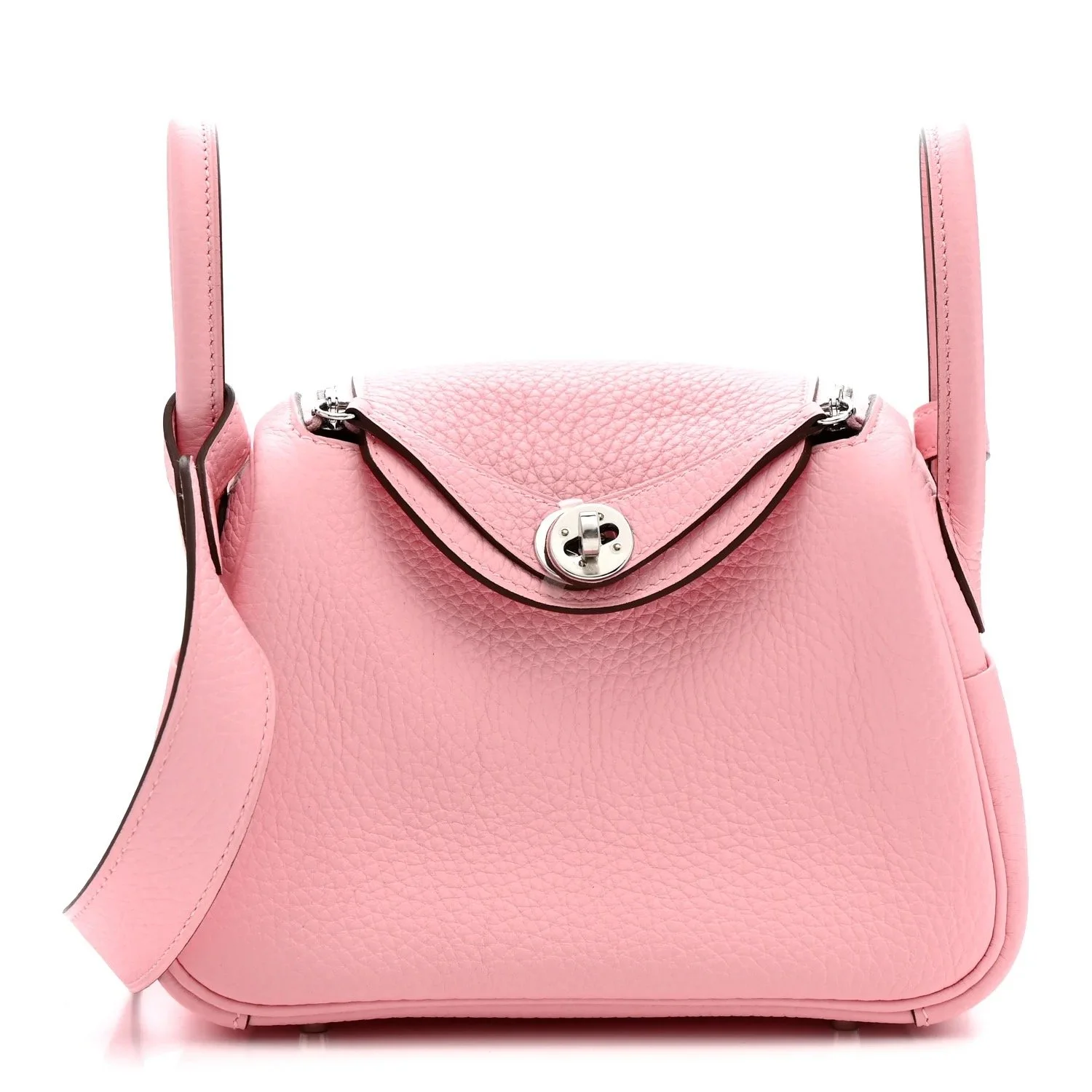
You might include a Constance, Bolide, Picotin, Garden Party, Roulis, or another Hermès bag if it genuinely fits your wardrobe, lifestyle, and reason for buying.
Your No List
Your no list is the most underrated part of the appointment. It protects you from the pressure of the moment.
Include colors, leathers, sizes, hardware, and silhouettes that do not fit your wardrobe or carry habits, even if the offer feels exciting in the room. If you already know you do not want a bright color, a very delicate leather, a large handheld bag, or a silhouette you rarely use, decide that before the appointment.
What to Expect at the Appointment
A Hermès leather appointment usually begins with a simple question: what are you looking for?
The strongest approach is to be specific about what you like, but not overly narrow. You want the sales associate to understand your taste, your priorities, how you carry bags in real life, and what draws you to Hermès beyond scarcity. The goal is to give them a clear sense of your personal style and genuine interest in the brand, without making the request so exact that only one configuration would work.
Start with your true first choice. If you want a Birkin, say Birkin. If you want a Kelly, say Kelly. If you would genuinely be happy with a Constance, say that too — but do not add it simply because it is hard to get. A Constance is a very different bag from a Birkin or Kelly, and it should only be on your initial list if shoulder carry actually suits your wardrobe and lifestyle.
Instead of asking only for “a Birkin 25 in Gold Togo with gold hardware,” frame your request as a focused range:
A Birkin 25 or 30 in a warm neutral
A Kelly 25 or 28 in a leather suited to regular wear
A narrow group of colors you would genuinely wear
A hardware preference, with flexibility if the bag is otherwise right
If Constance is truly on your list, add it clearly:
A Constance 18 for compact day-to-night use, or a Constance 24 if you want more everyday capacity
From there, the sales associate may check availability, ask follow-up questions, or present something adjacent to your original request. The goal is not to sound open to anything; it is to be clear about what you love, how you carry bags, and where you have room to be flexible.
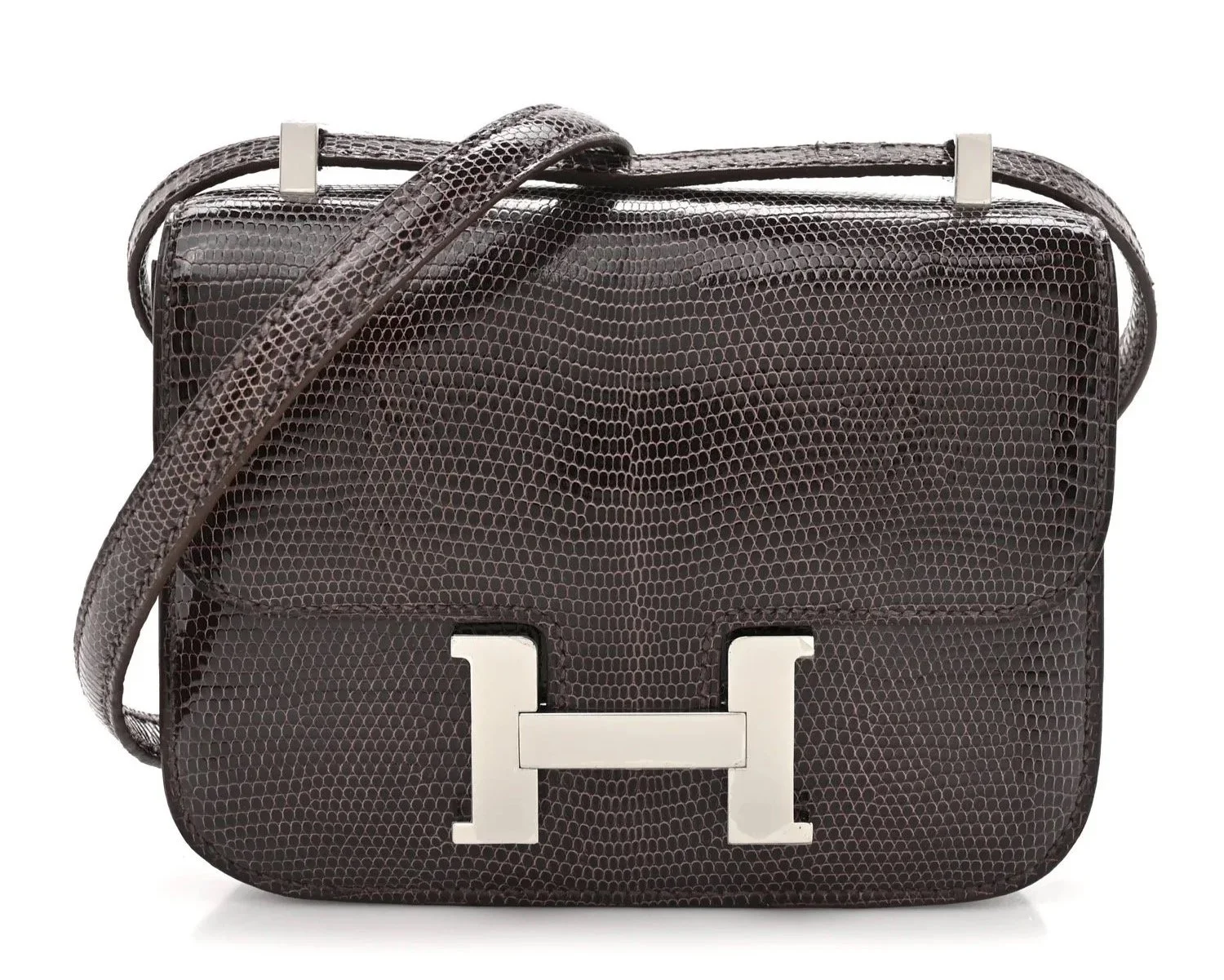
Hermès Micro Constance 14 in Nicotine Niloticus Lizard — a rare exotic interpretation of the iconic Constance in a rich, quietly distinctive neutral.
Can You Decline or Ask for Something Else?
Yes. If the sales associate presents a bag that does not feel right, you can politely decline. A Hermès appointment does not obligate you to buy what is offered, and it is better to be honest than to accept a bag you already know is not right for you.
The best approach is respectful and specific. Thank the associate, explain the concern briefly, and connect it back to how you actually plan to use the bag. If the color feels too bright, the size is not practical, the leather feels too delicate, or the silhouette does not fit your wardrobe, say so clearly but graciously.
If the offer is close but not quite right, it is reasonable to ask whether there may be anything that better matches your original request. For example, you might say, “I love the shape, but I was hoping for something more neutral,” or “This size is beautiful, but I think I would use something slightly smaller more often.”
A polite decline should still move the conversation forward. Be clear about what you like and what does not work, while leaving enough flexibility for the sales associate to find something close. The goal is to refine the direction, not narrow the appointment to one exact bag.
Should You Accept the Offer?
Strong Yes
Say yes if most of these are true:
You wanted the silhouette before the appointment
The size fits your lifestyle
The color is easy for you to wear
The leather suits your tolerance for structure, softness, marks, or patina
You would consider buying the same bag outside Paris
The price feels appropriate for your expected use
You are excited to carry it, not just own it
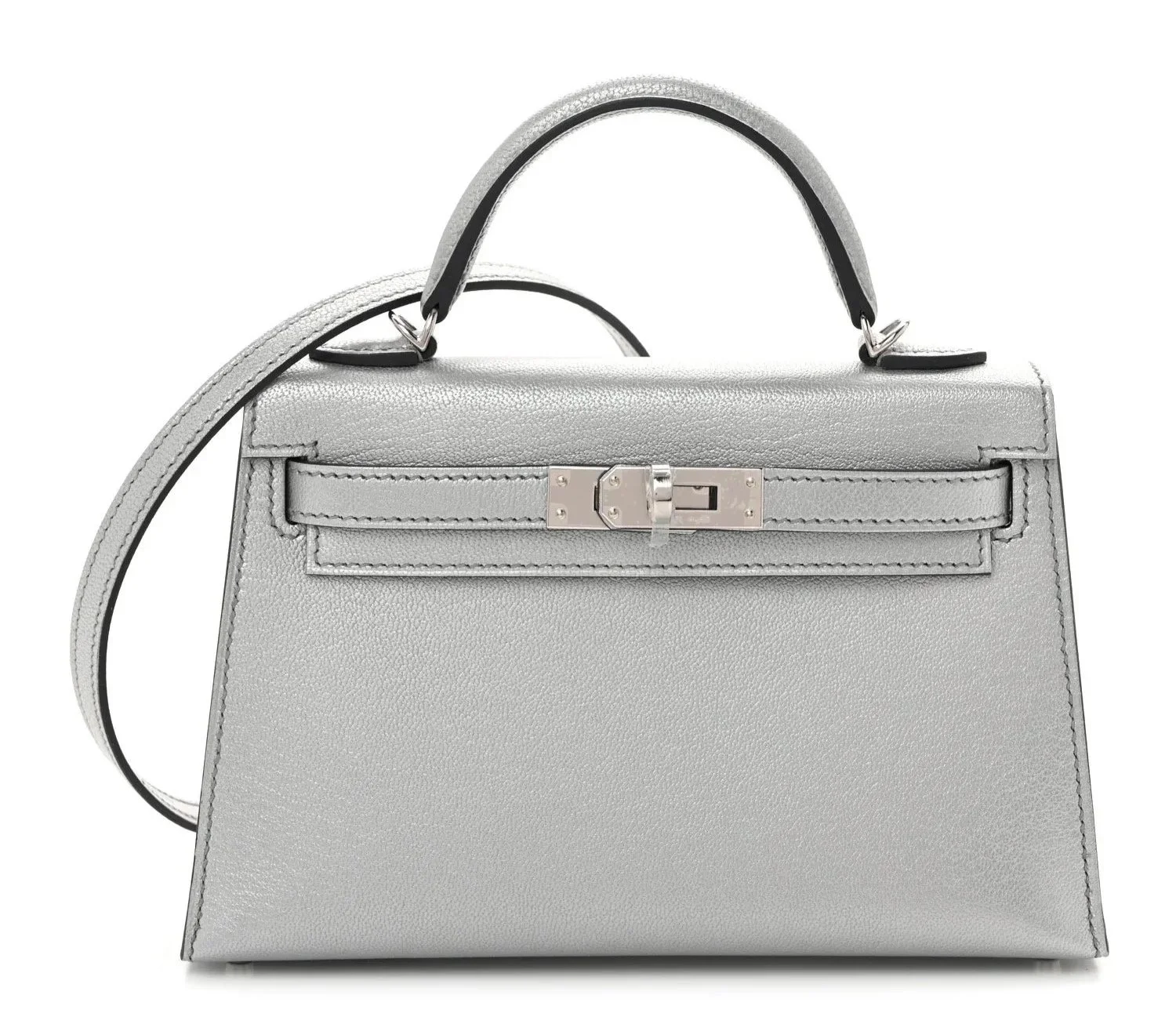
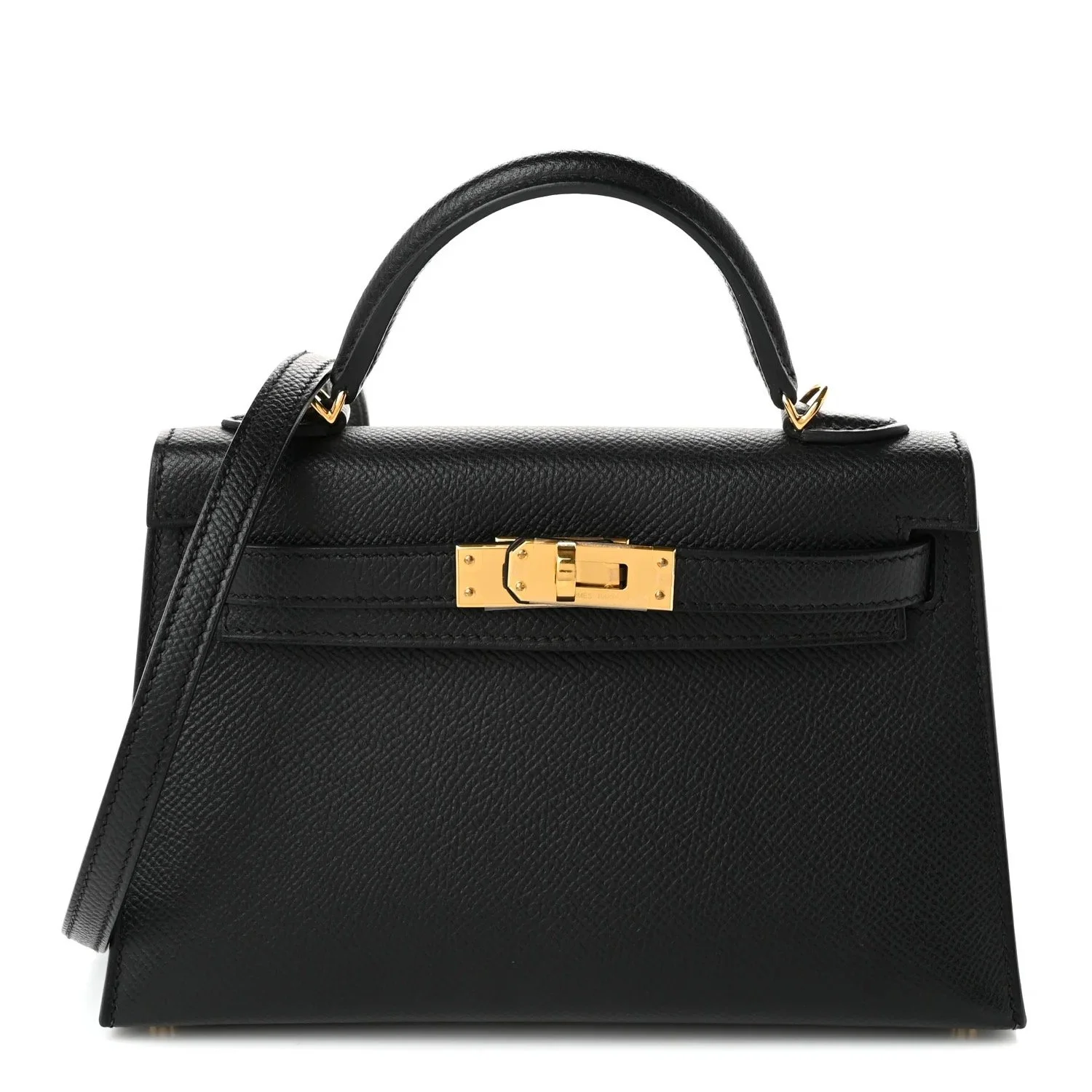
Hermès Mini Kelly Sellier 20 in Argent Metallic Chèvre Chamkilight — a rare, luminous finish that gives the iconic silhouette a distinctly modern edge.
Maybe
Pause if these are true:
You like the bag but had not considered it before
The color is beautiful but specific
The silhouette overlaps with bags you already own
You are unsure whether the price matches the use case
You would need to research resale before feeling comfortable
You are excited, but slightly uneasy
A maybe is not a no, but it deserves time. If the boutique does not allow that time, the safest answer may be no.
No
Decline if these are true:
You are buying because you feel lucky
You are afraid you will never be offered anything again
You would not search for this bag tomorrow
You are already questioning the resale value
The color does not work with your wardrobe
The price makes you uncomfortable
You are using the bag as a substitute for the Birkin or Kelly you actually wanted
A polite decline is not a failure. It is a sign that you know your own taste.
Build Your Hermès Wishlist
Getting the appointment is the first step. The harder part can be knowing what to ask for once you are there.
A strong Hermès wishlist should reflect how you actually carry your bags, how much structure or maintenance you are willing to tolerate, whether resale value matters, and where you have flexibility on size, color, leather, and hardware.
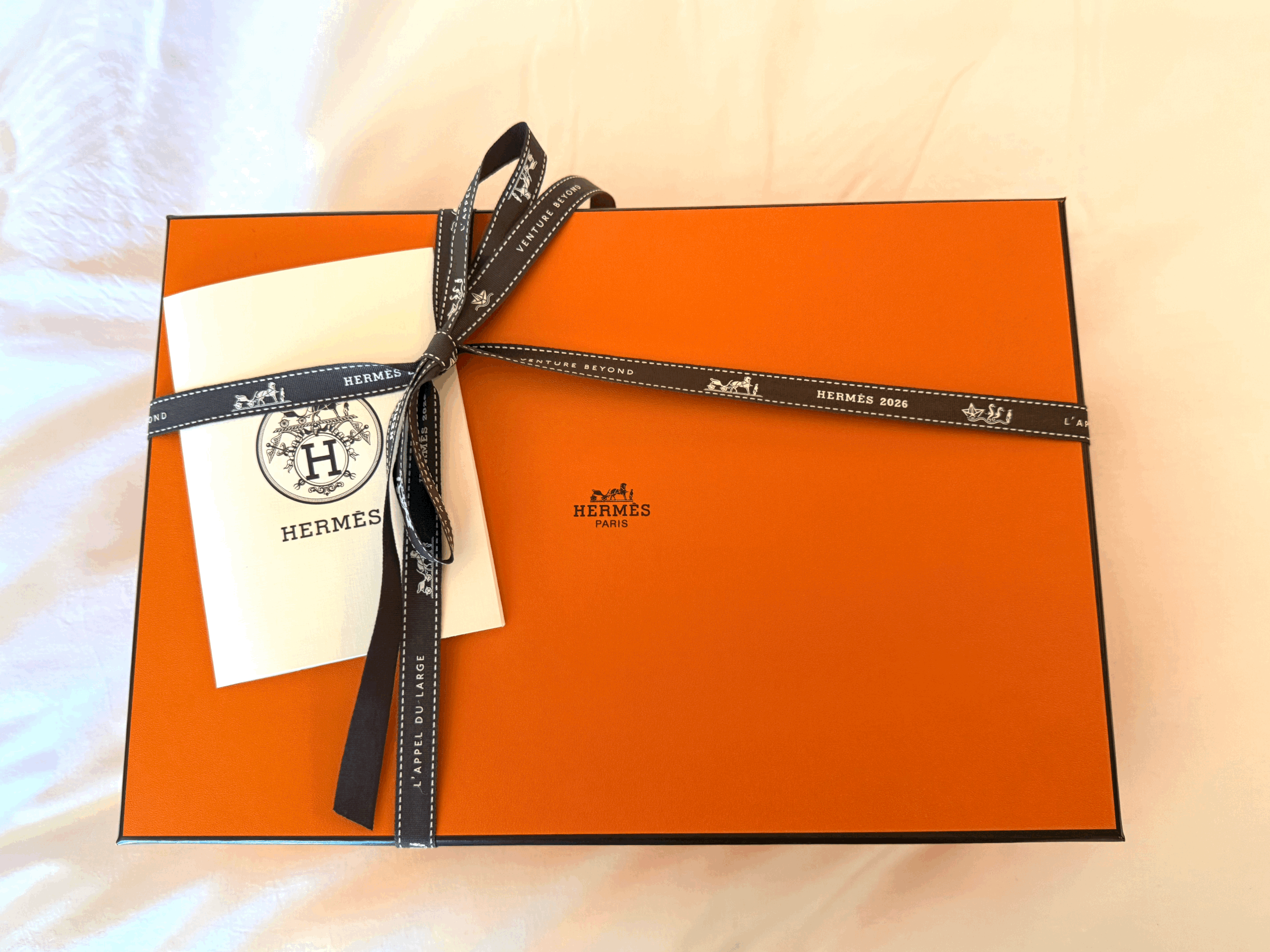
If you are not sure what your appointment strategy should be, take the VB Hermès Wishlist Quiz.
It will help you identify your strongest first choice, your next-best option, and the backup categories worth considering if your first choice is not available.
Final Take
The strongest Hermès purchase is the one that still feels good after the appointment is over.
Know what you truly want, what you would genuinely consider, and what you are comfortable declining. The right bag should fit your wardrobe, your budget, and your reason for buying — not only the emotion of being offered something in Paris.
It is also worth keeping in mind that while Paris and U.S. profiles may be linked for quota-bag tracking, purchases made in Paris generally should not be viewed as a way to build purchase history with a U.S. boutique.
The point is not to follow one perfect formula. It is to leave with something you understand, want, and feel good about choosing.
Continue Exploring Hermès
Find Your Hermès Appointment Wishlist— take the quiz to identify your strongest first choice, your next-best option, and the backups worth considering before your appointment.
Hermès Mini Bolide Review: Functionality, Resale & Kelly Strategy — reviews the bag, its resale potential, and whether it makes sense if a Kelly is the goal.
Buying an Hermès Birkin on Resale — an in-depth look at what matters most before buying a Birkin on the secondary market.
The products featured may contain affiliate links.