
How to Buy a Hermès Birkin on Resale
Buying a Hermès Birkin on the resale market solves one of the biggest challenges of buying from the boutique: access. Instead of waiting for an offer, building a purchase history, or compromising on the configuration available, resale allows you to choose the size, leather, color and hardware you actually want.
The tradeoff is price and certainty. Resale Birkins can carry substantial premiums, condition varies considerably, and seemingly similar bags can be priced thousands of dollars apart.
The goal is to understand which Birkin is right for you, whether the price makes sense, and whether the condition justifies it.
This guide covers how to evaluate a Birkin on the resale market—from the right choosing configuration to comparing price, condition and seller protections before you buy.
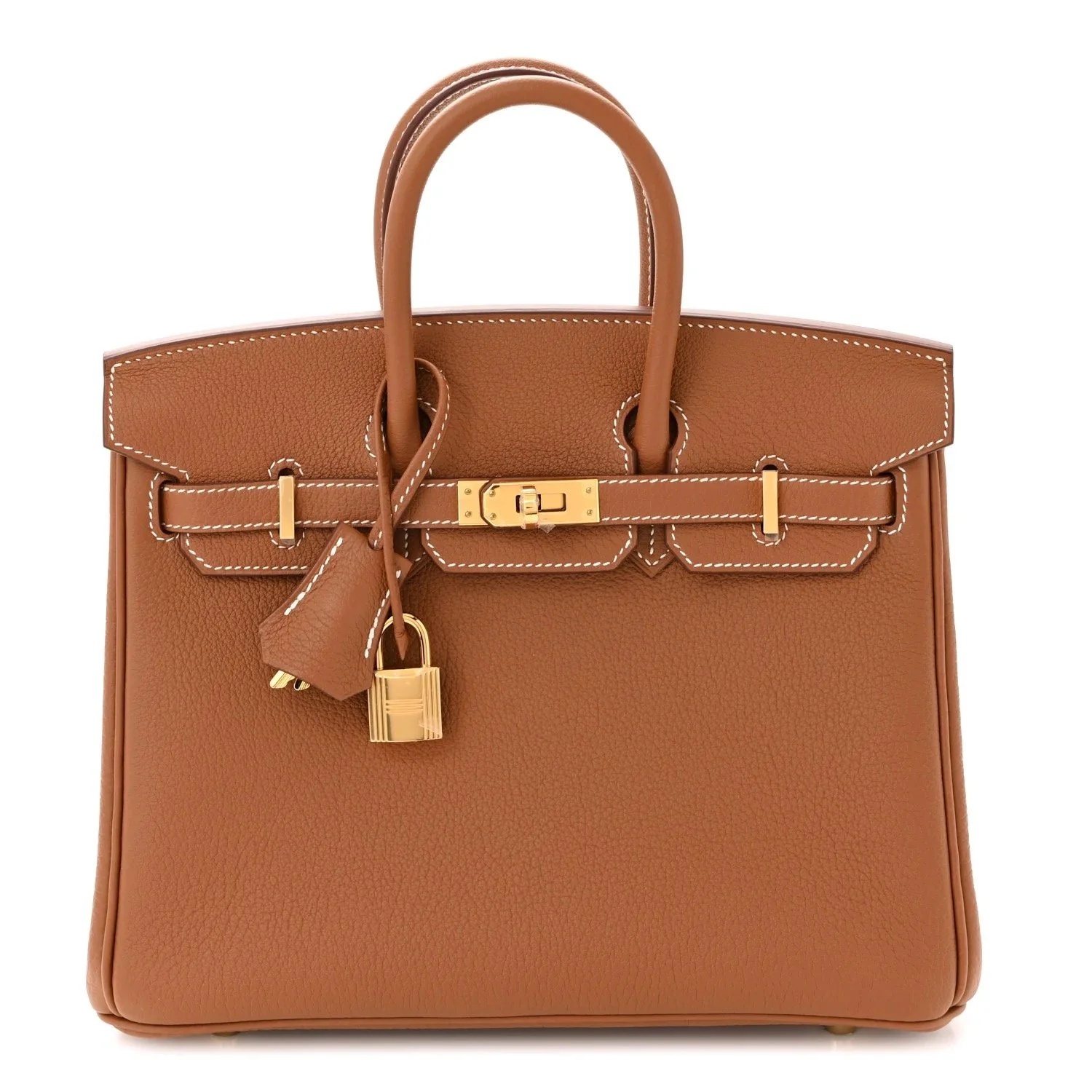
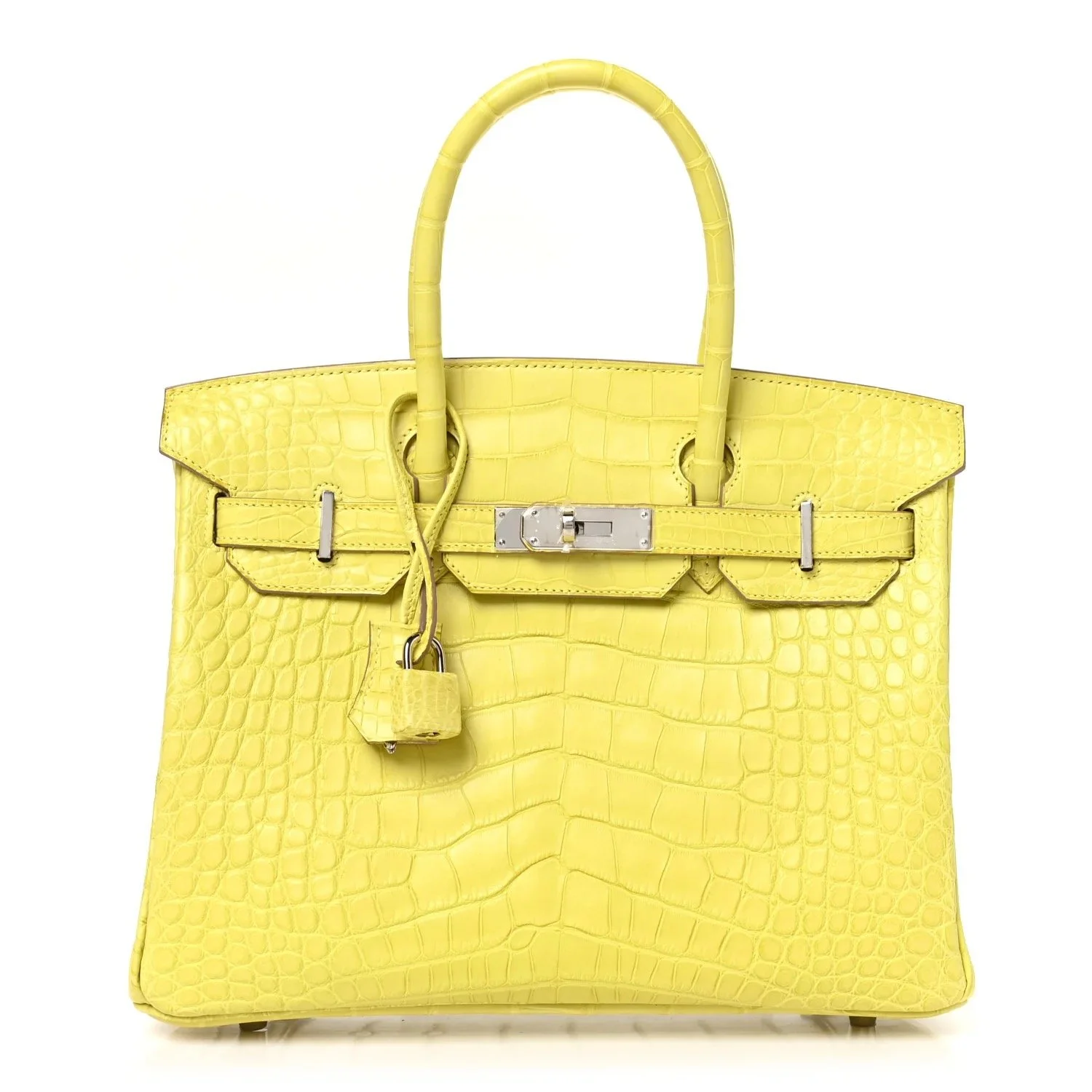
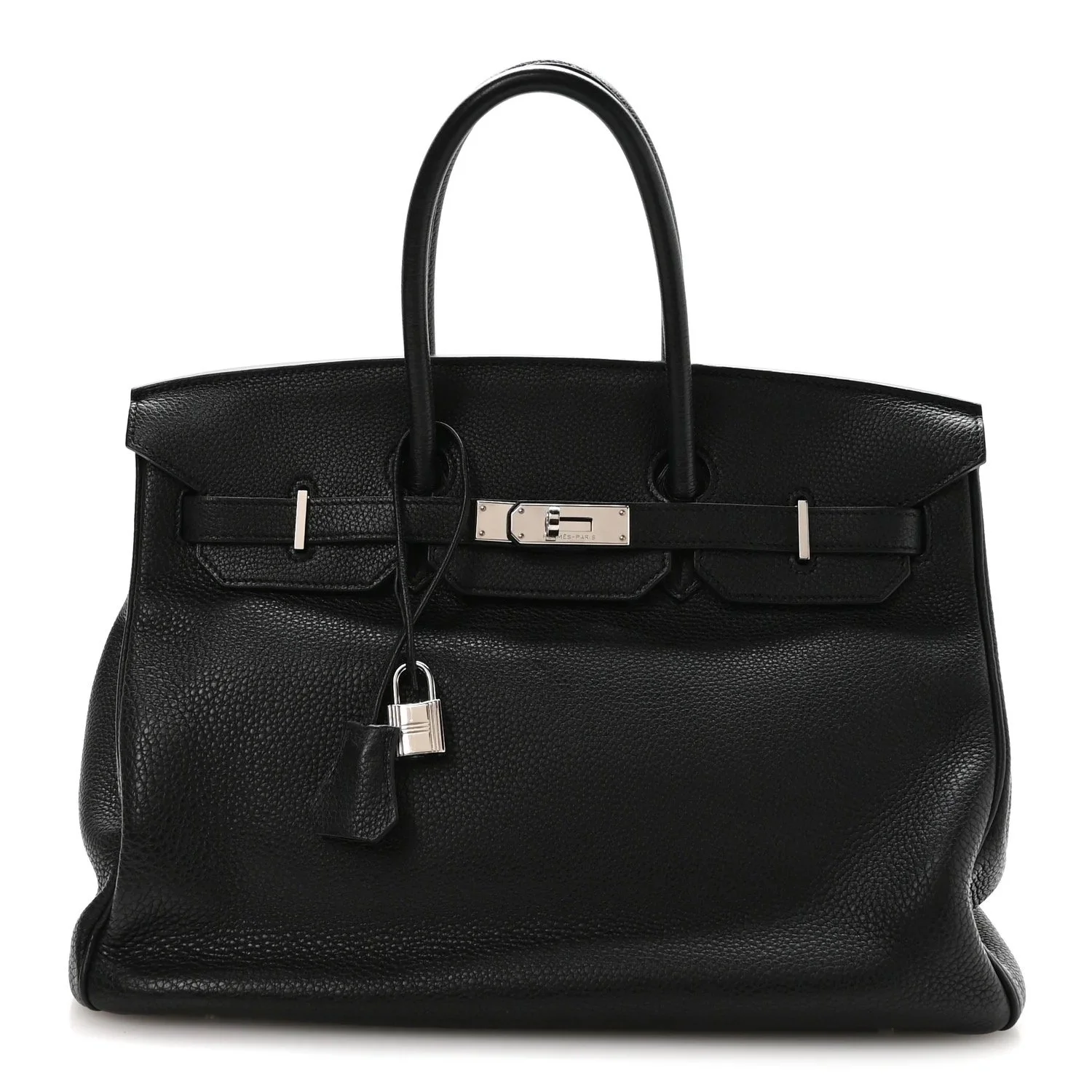
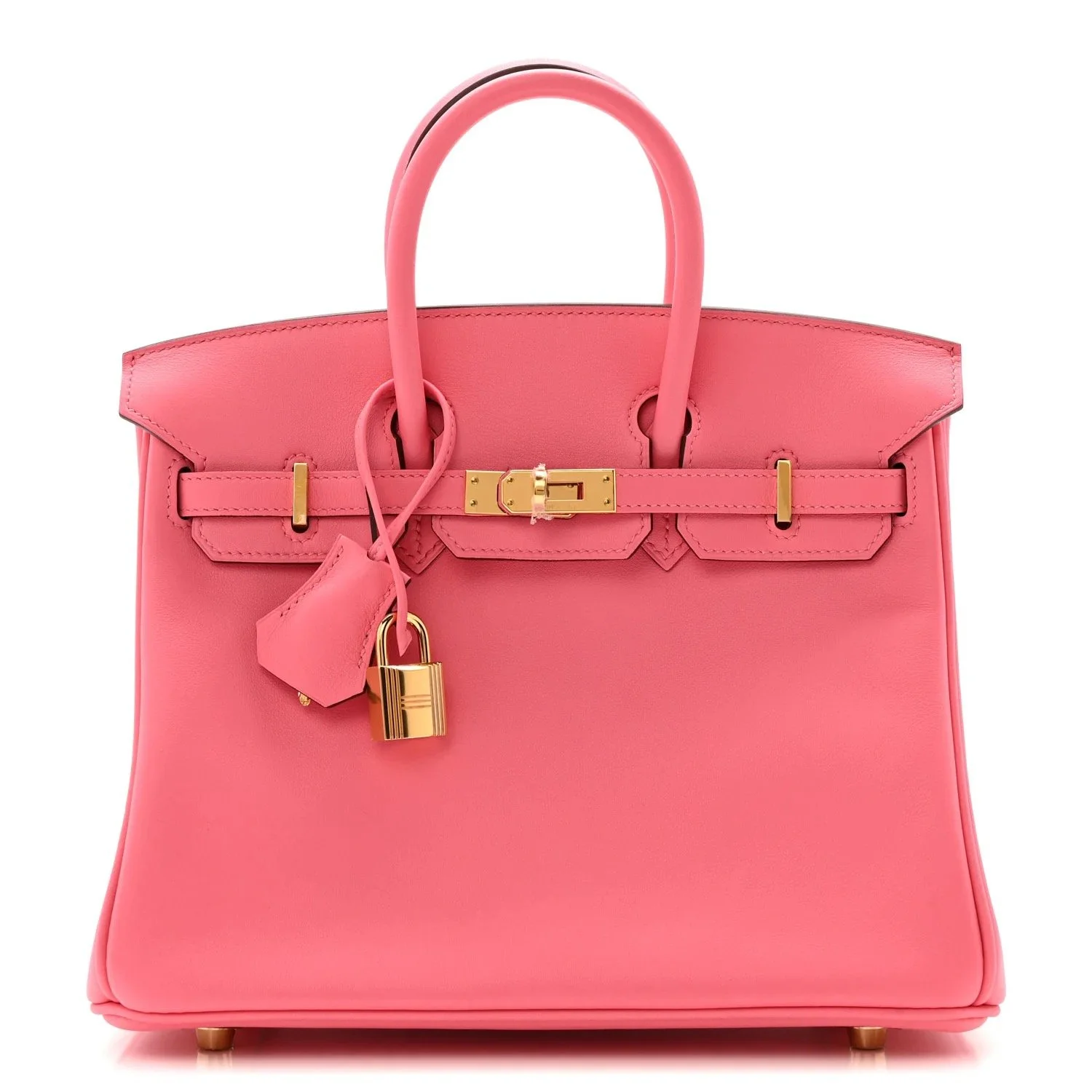
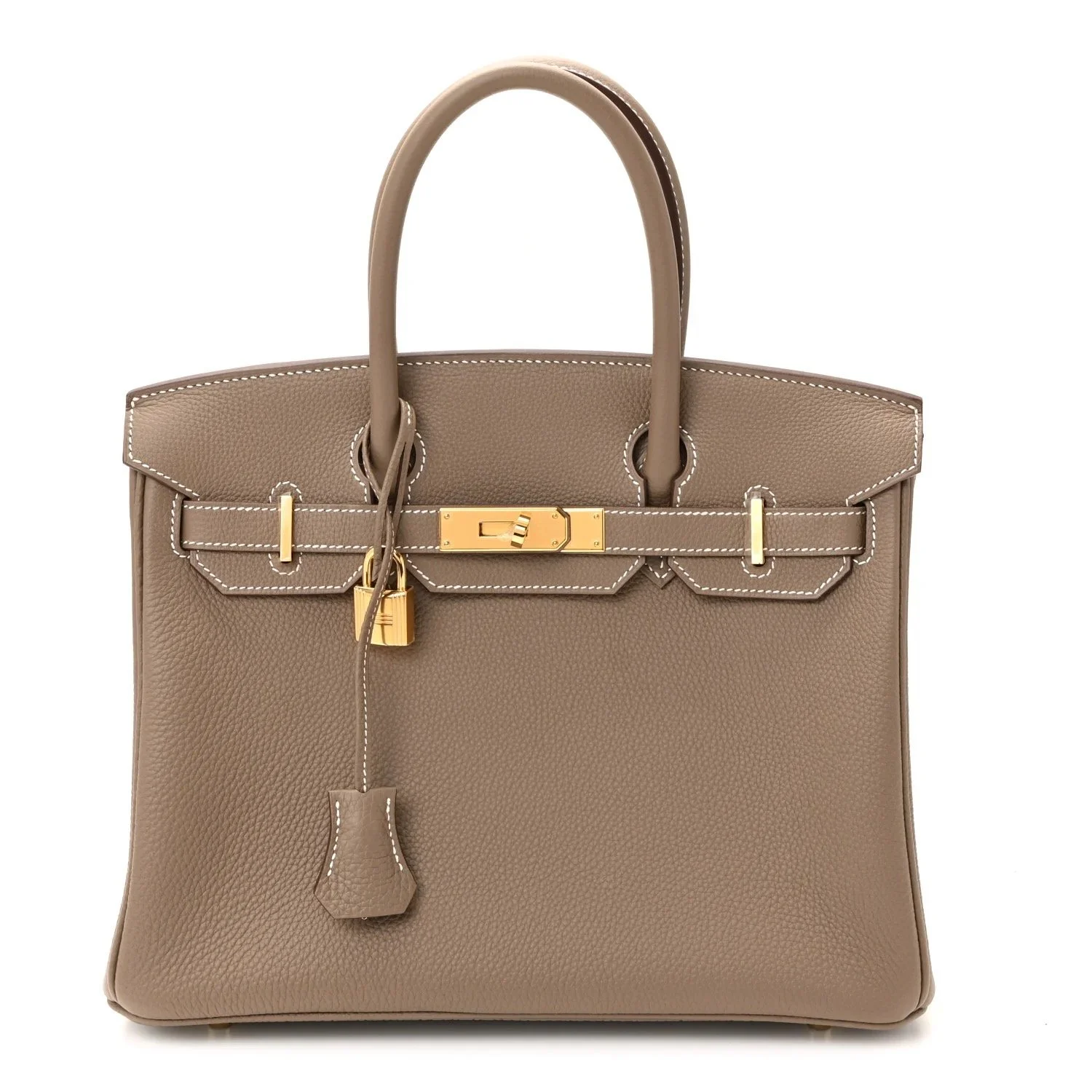
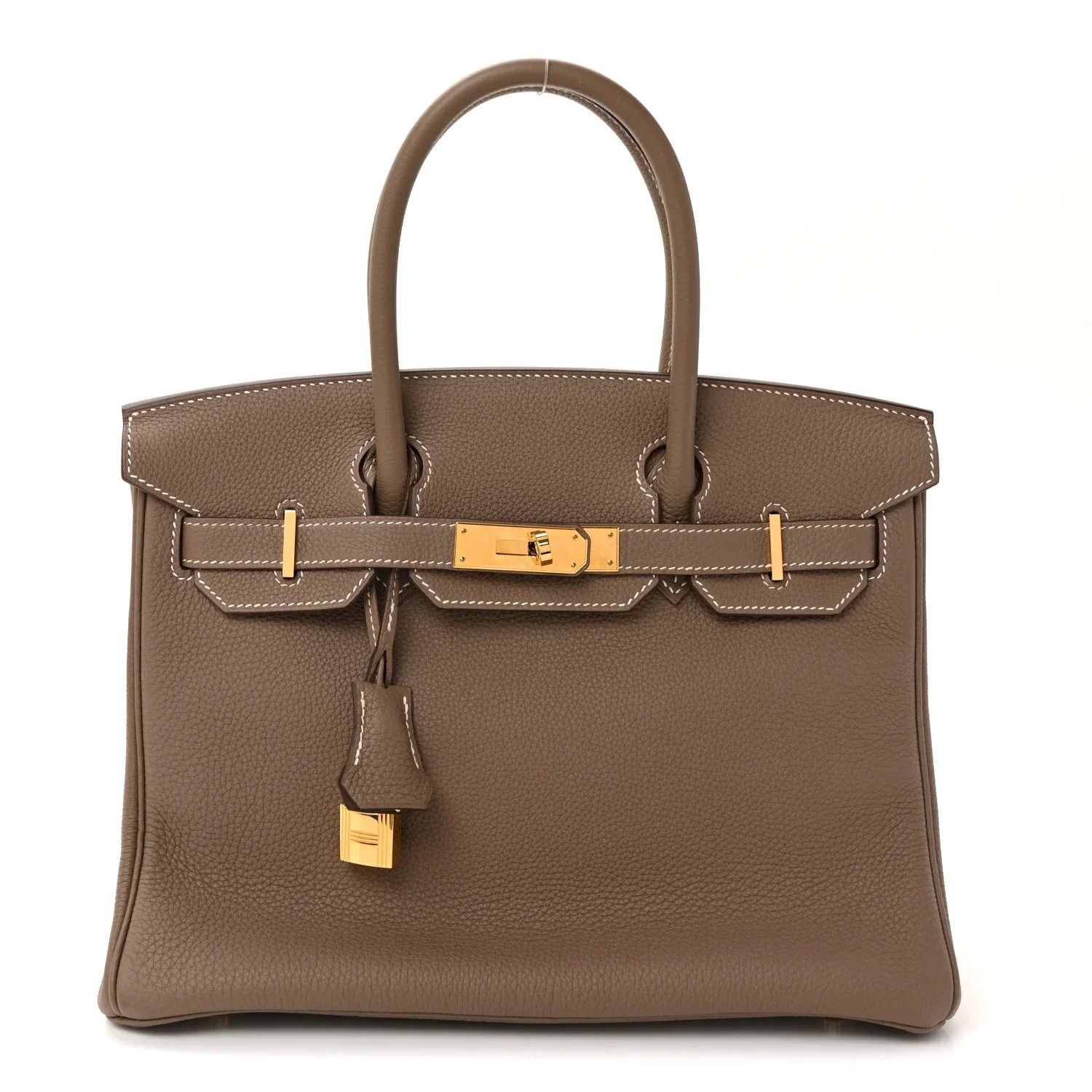
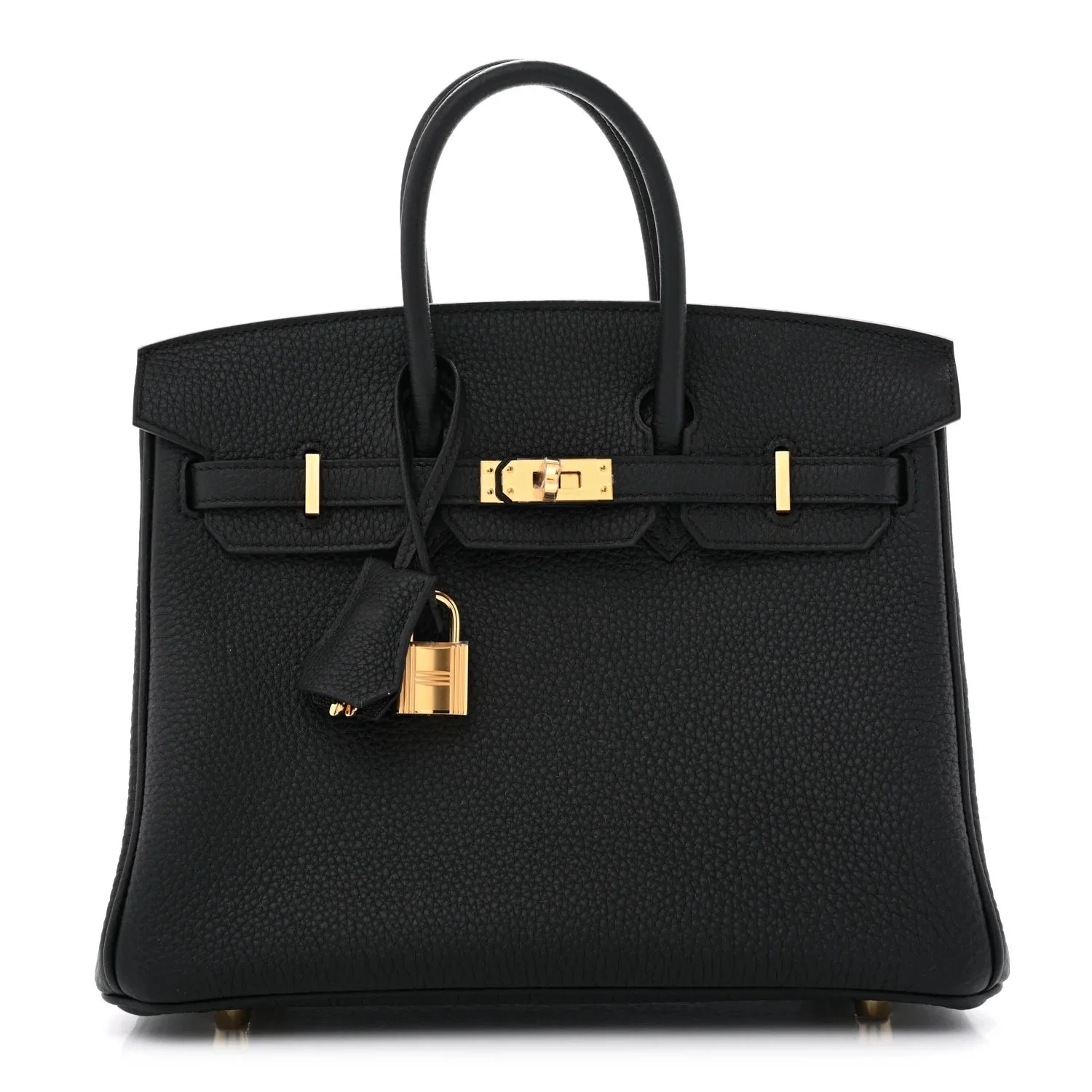
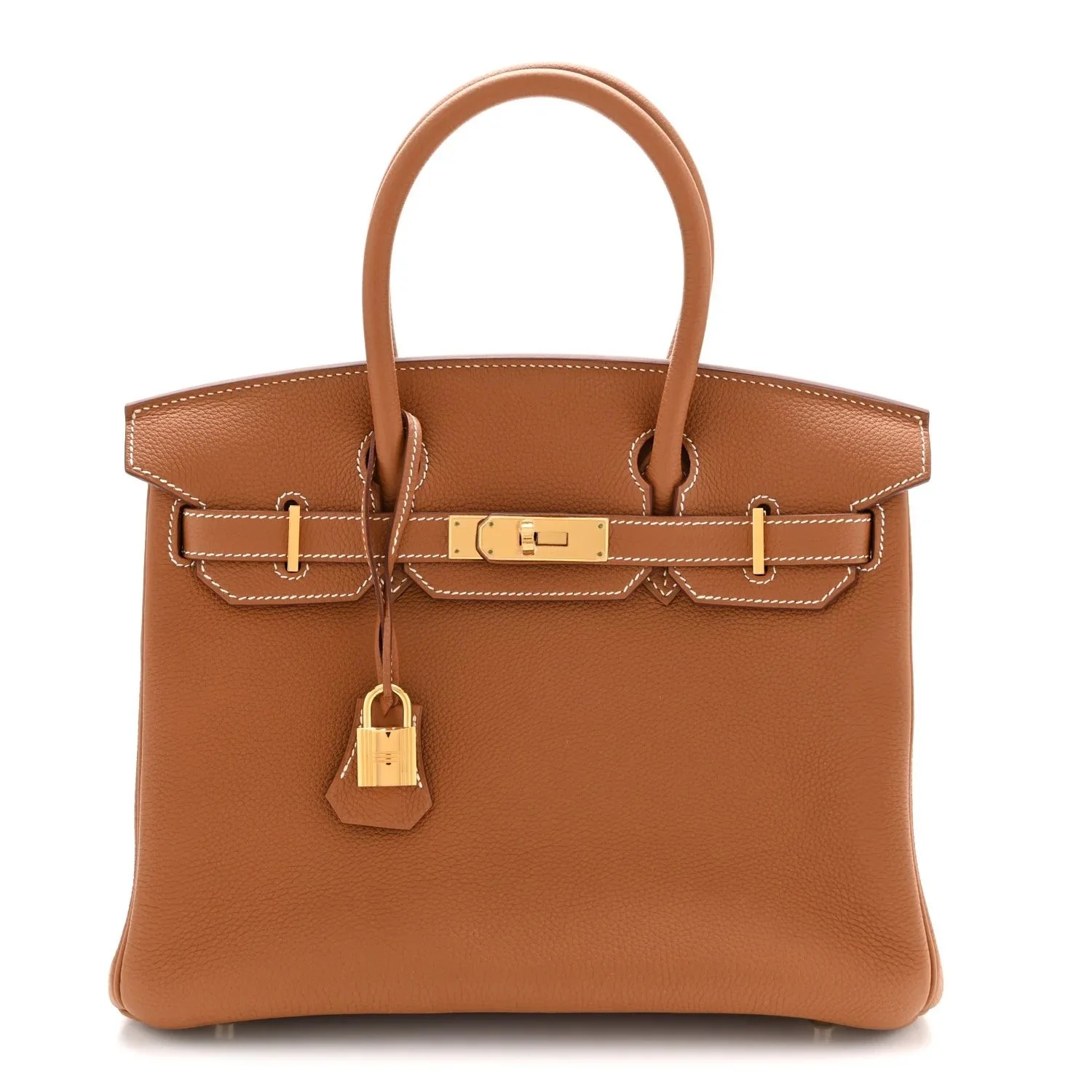
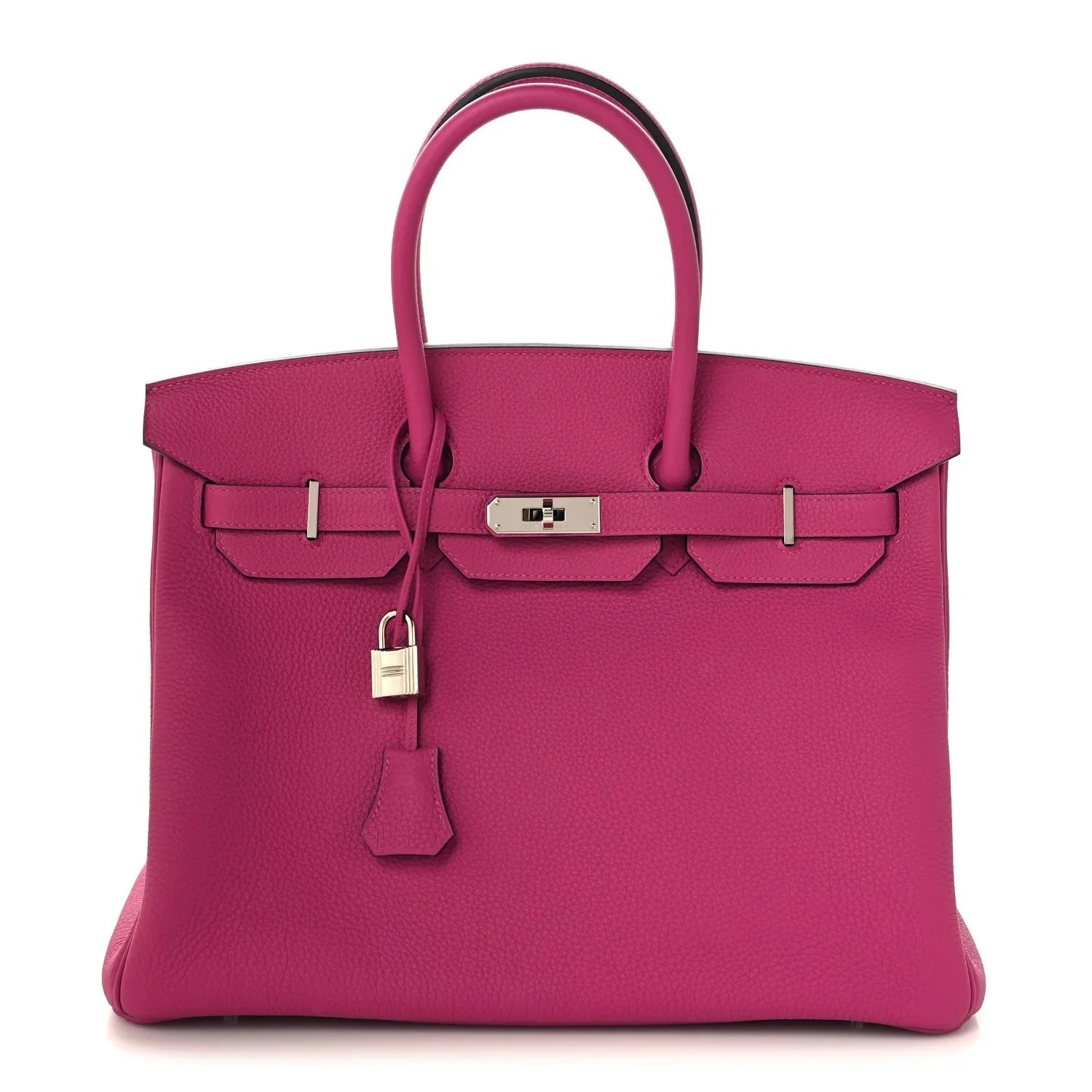
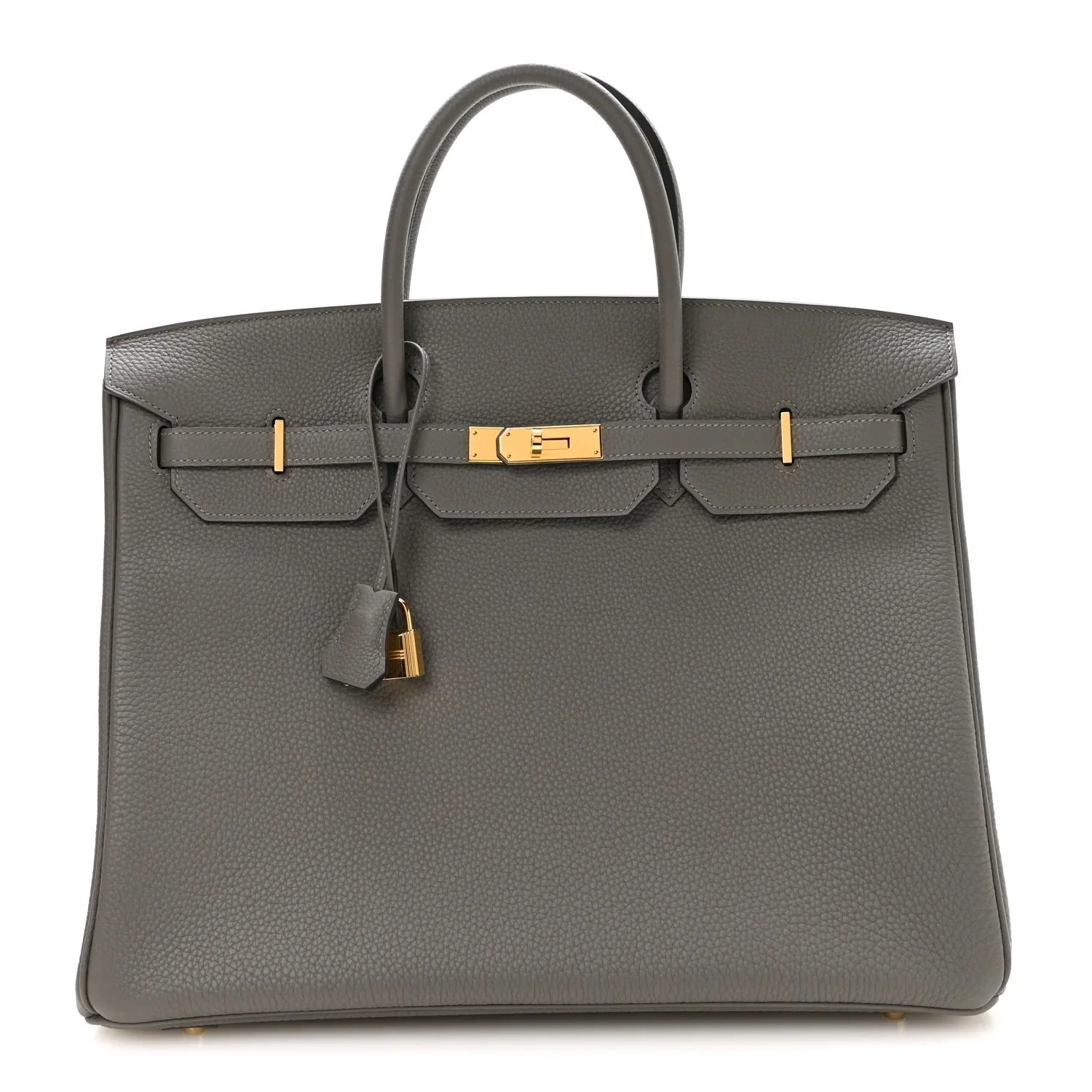
Four Hermès Birkins on the resale market — each shaped by size, leather, condition, and price.
Why Buy a Birkin on Resale?
The biggest advantage of resale is choice.
Retail pricing for a Birkin is relatively structured, with most standard models falling between $10,000 and $15,000 at Hermès boutiques, depending on size and leather. But the retail price does not necessarily reflect the full cost of obtaining one.
Access is limited, offers are shaped by availability, and clients may spend significant time—and often money across other Hermès categories—building a boutique relationship without knowing exactly when a Birkin will be offered or in which configuration.
On the resale market, that dynamic changes. Comparable Birkins often list between $15,000 and $30,000+, with premiums driven by size, leather, color, hardware, condition, and overall desirability.
In exchange for that premium, resale offers something the boutique cannot guarantee: access and certainty.
You can search specifically for the size, leather, color, and hardware combination you want rather than deciding whether to accept the configuration offered. If you already know exactly which Birkin you are looking for, that control can make the resale premium easier to justify.
The real comparison is therefore not simply retail price versus resale price. It is the resale price of the Birkin you actually want versus the retail price of the bag plus the broader investment involved in building a boutique relationship.
The question is whether you value the Hermès boutique experience—or the ability to choose your bag with considerably more control.
Which Birkin Should You Buy?
Before comparing listings, decide which Birkin configuration actually fits your life. Size, leather, structure, color, and hardware all affect how the bag looks, carries, and holds its value.
Size
The Birkin 25 is the most compact and polished option, while the Birkin 30 offers more everyday capacity without feeling oversized. Larger sizes make more sense if you want a true work or travel bag.
The right size depends less on what is most desirable on resale and more on how you realistically plan to use it.
Leather and Structure
Leather changes both the look and feel of a Birkin.
Togo and Clemence create a softer, more relaxed silhouette, while Epsom feels lighter and more structured. Box calf and other smooth leathers can look exceptionally refined but tend to show scratches more readily.
If you prefer a crisp, architectural Birkin, prioritize structured leathers. If you want something more relaxed and forgiving, grained leather gives the bag a less formal, more understated look.
Color and Hardware
Classic neutrals tend to be the easiest to wear and often remain desirable on resale, but they can also command higher premiums.
Hardware matters more than it may seem. Gold hardware can make a neutral Birkin feel warmer and more traditional, while palladium gives the bag a cooler, slightly more understated look.
The best configuration is the one you would choose even if resale value were not part of the equation.
What Should You Pay for a Resale Birkin?
Resale pricing varies significantly, even among bags that appear similar at first glance. There is no single “correct” resale price; the goal is to understand the typical range for a specific configuration.
The biggest factors are size, leather, color, hardware, condition, age, and overall desirability. In general, smaller Birkin sizes command higher prices, with the Birkin 25 typically carrying the strongest premium.
The best way to evaluate price is to compare like with like. A Birkin 25 in a highly desirable neutral should not be compared directly with a Birkin 35 in a seasonal color, even if both are in excellent condition.
Look at several listings with similar specifications and ask:
Is the bag priced consistently with comparable listings?
Is the condition meaningfully better or worse?
Is the color or leather commanding a premium?
Are accessories such as the clochette, lock, keys, dust bag, and box included?
The goal is not to find the cheapest Birkin, but to understand whether the asking price makes sense for that specific bag. For first-time buyers, comparing similar configurations is often the clearest way to establish what a fair resale price looks like.
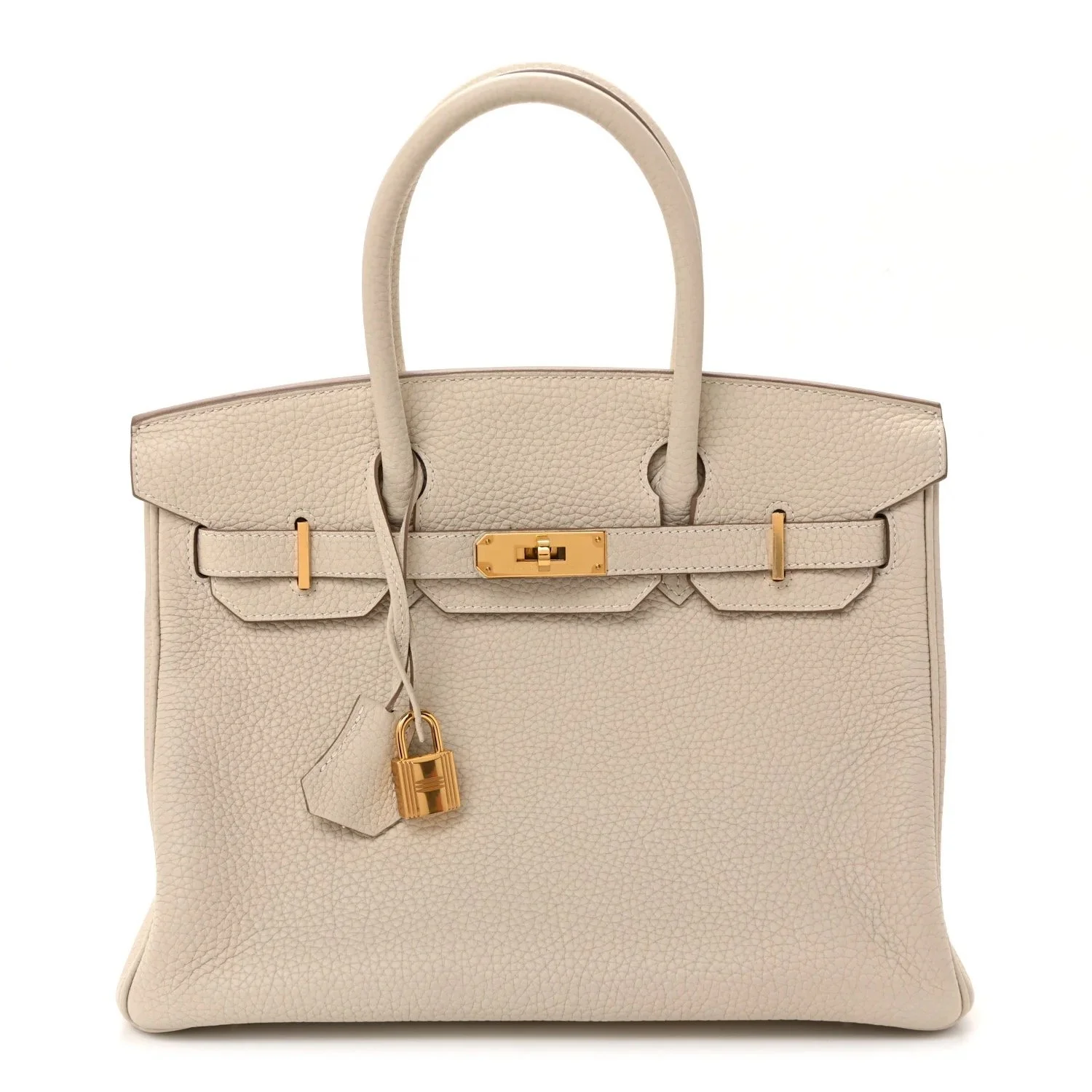
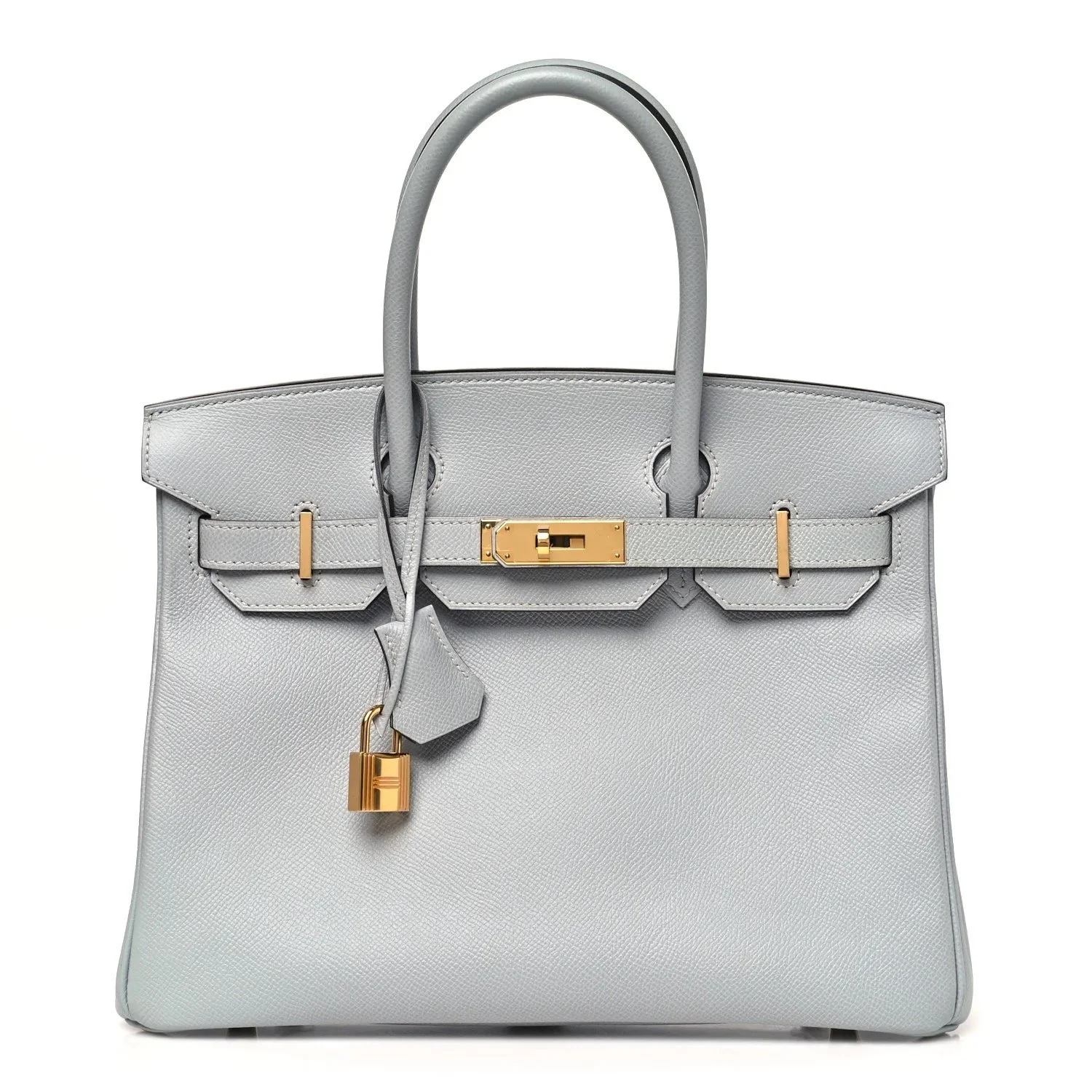
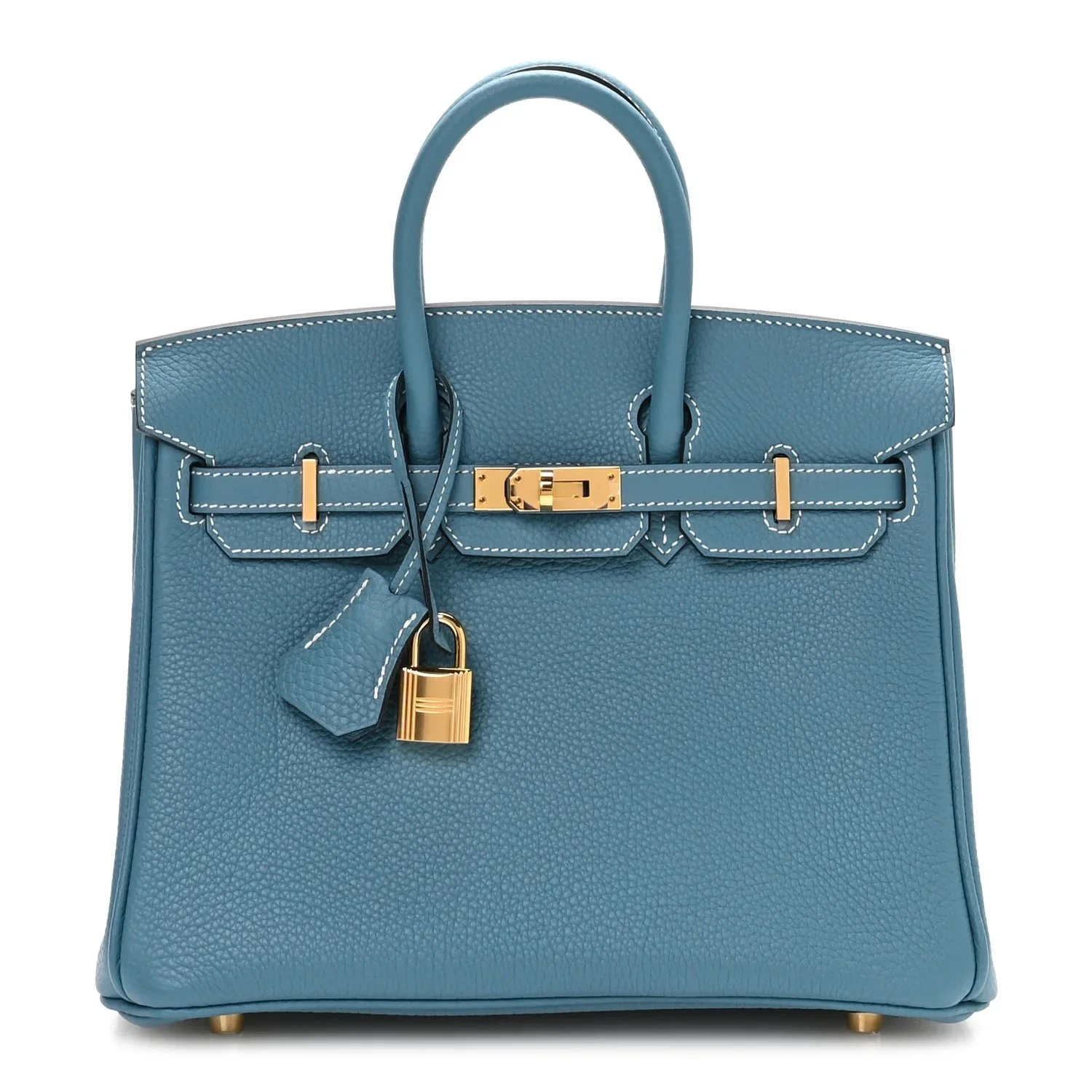
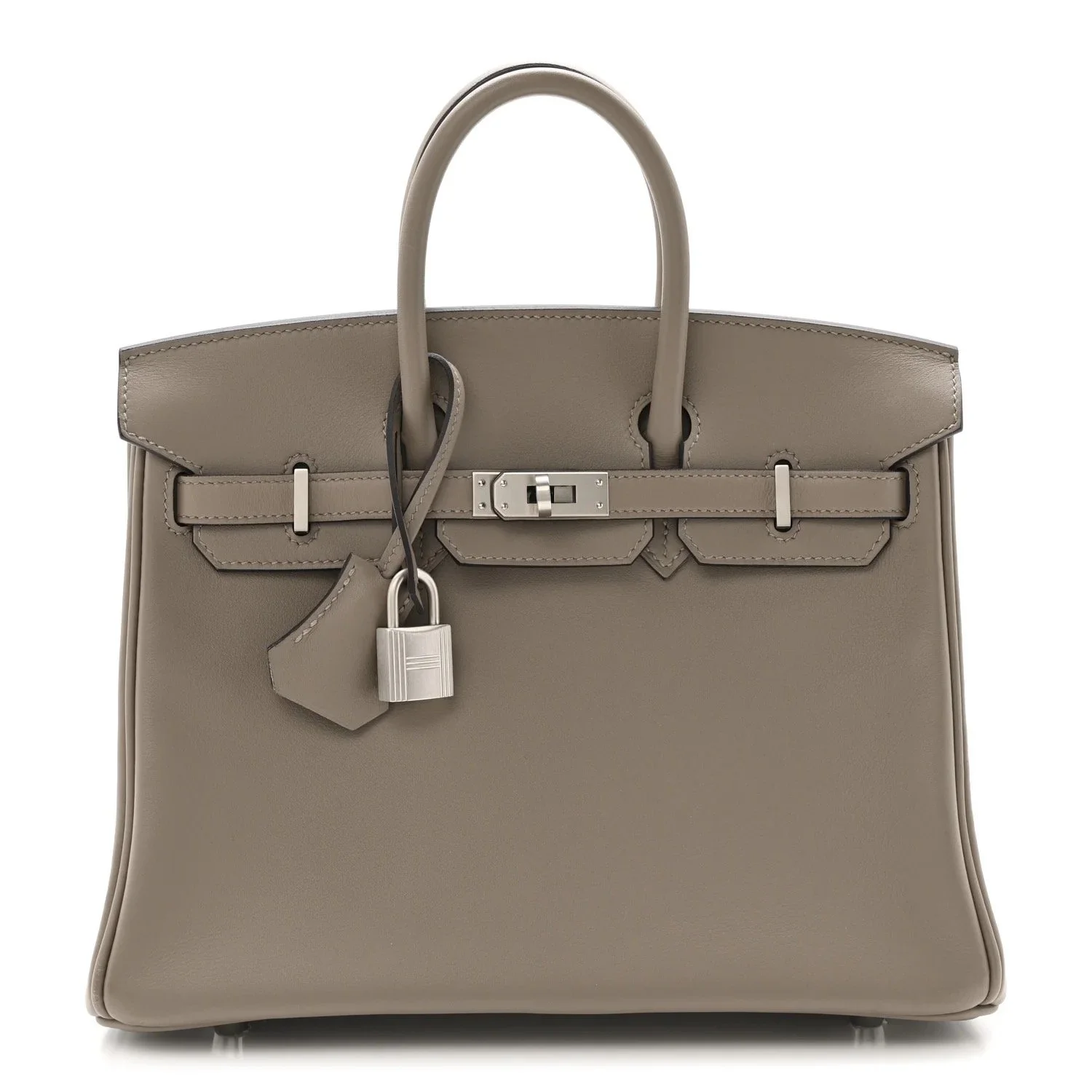
Hermès Birkin leathers compared in Togo, Clemence, Epsom, and Swift, showing how texture, structure, and finish change the look and feel of the bag.
Authentication & Trust
At Birkin price levels, authenticity and seller credibility are inseparable. The question is not only whether the bag is authentic, but how confidently that conclusion can be reached based on the seller, authentication process, and quality of the listing.
Look for:
An established seller with experience handling high-value luxury bags
A clear authentication process and return policy
High-resolution photos of stamps, hardware, stitching, corners, and wear
Consistency between the photos and description
Clear disclosure of imperfections or previous repairs
A strong listing should feel complete rather than selective. The more transparent the seller is about the bag and how it has been vetted, the easier it is to evaluate with confidence.
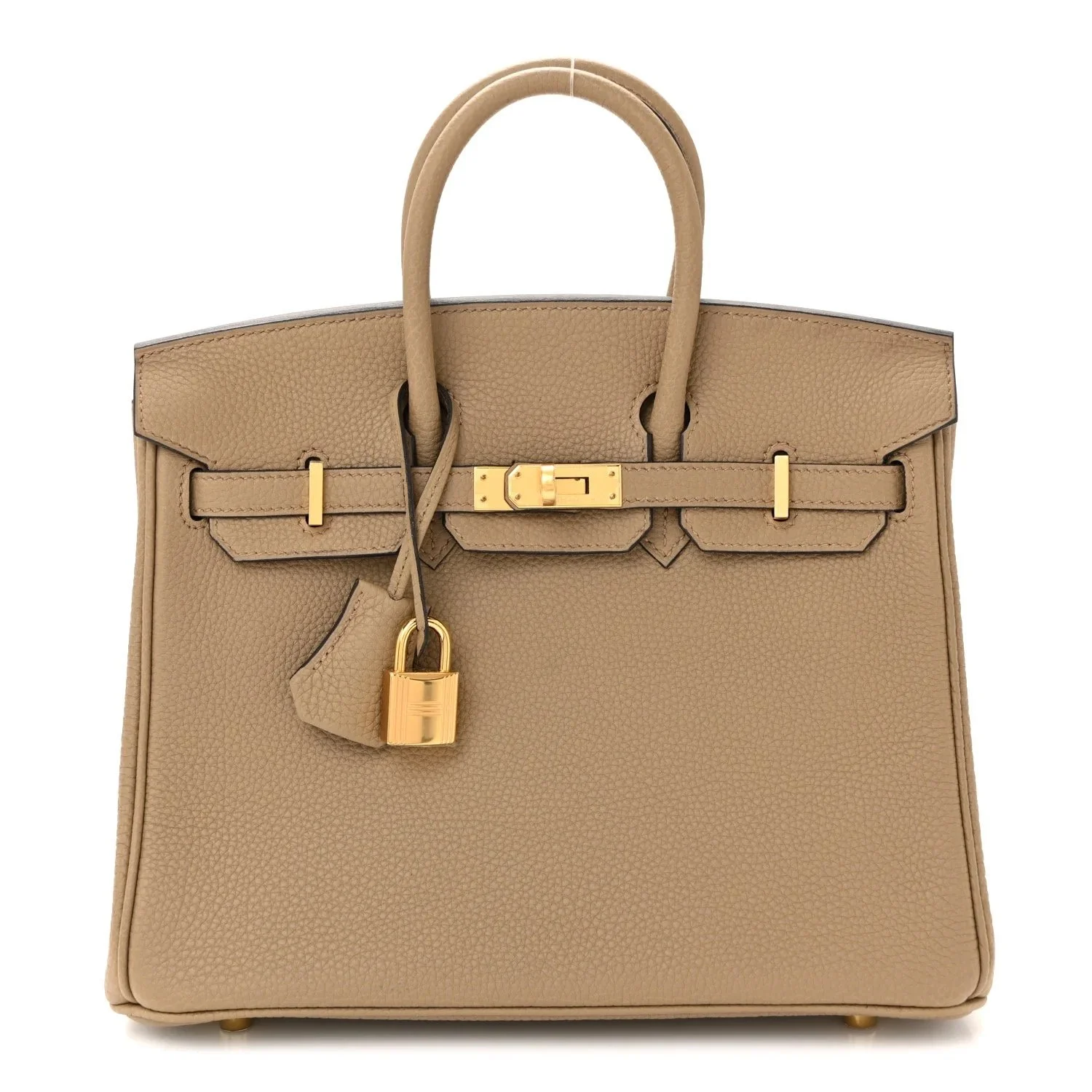
Hermès Togo Birkin 25 in Beige Marfa, a giftable neutral that captures the compact size and easy versatility many buyers look for on the resale market.
Condition
Condition can materially affect both price and long-term value, so look beyond broad labels like “excellent” or “good.”
Focus on:
Corners — wear, rubbing, or loss of structure
Handles — darkening or signs of heavy use
Structure — whether the bag still holds its shape
Hardware — scratches, tarnishing, or finish loss
Interior — stains, marks, or other signs of wear
Odor — especially important with older bags
Previous spa work — restoration may improve appearance but can affect originality
Accessories — lock, keys, clochette, receipt, dust bag, and box can support resale value
Photos do not always show wear accurately, so compare multiple angles and make sure the description is consistent with what you see.
Comparing several similar listings can help establish what different levels of wear actually look like in practice.
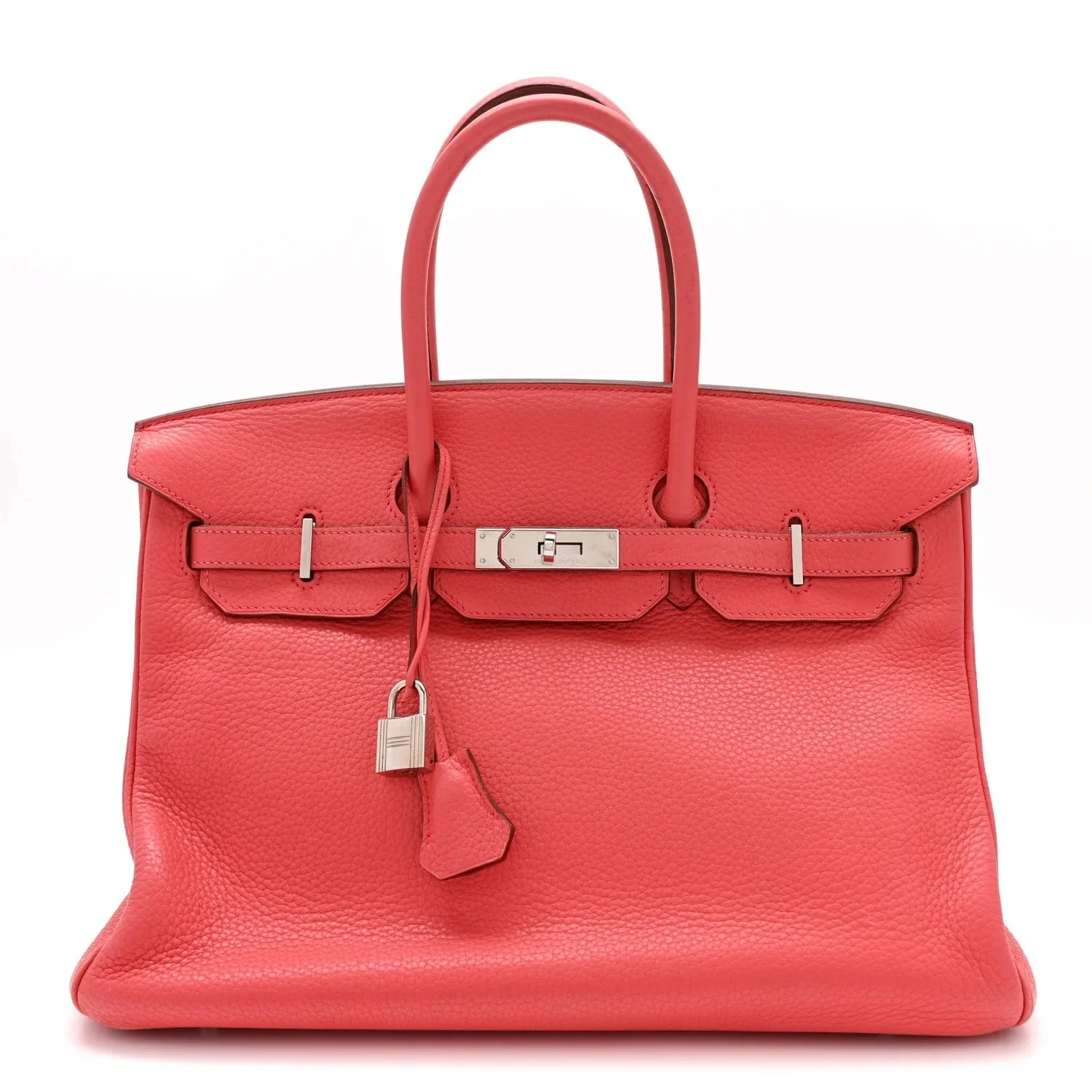
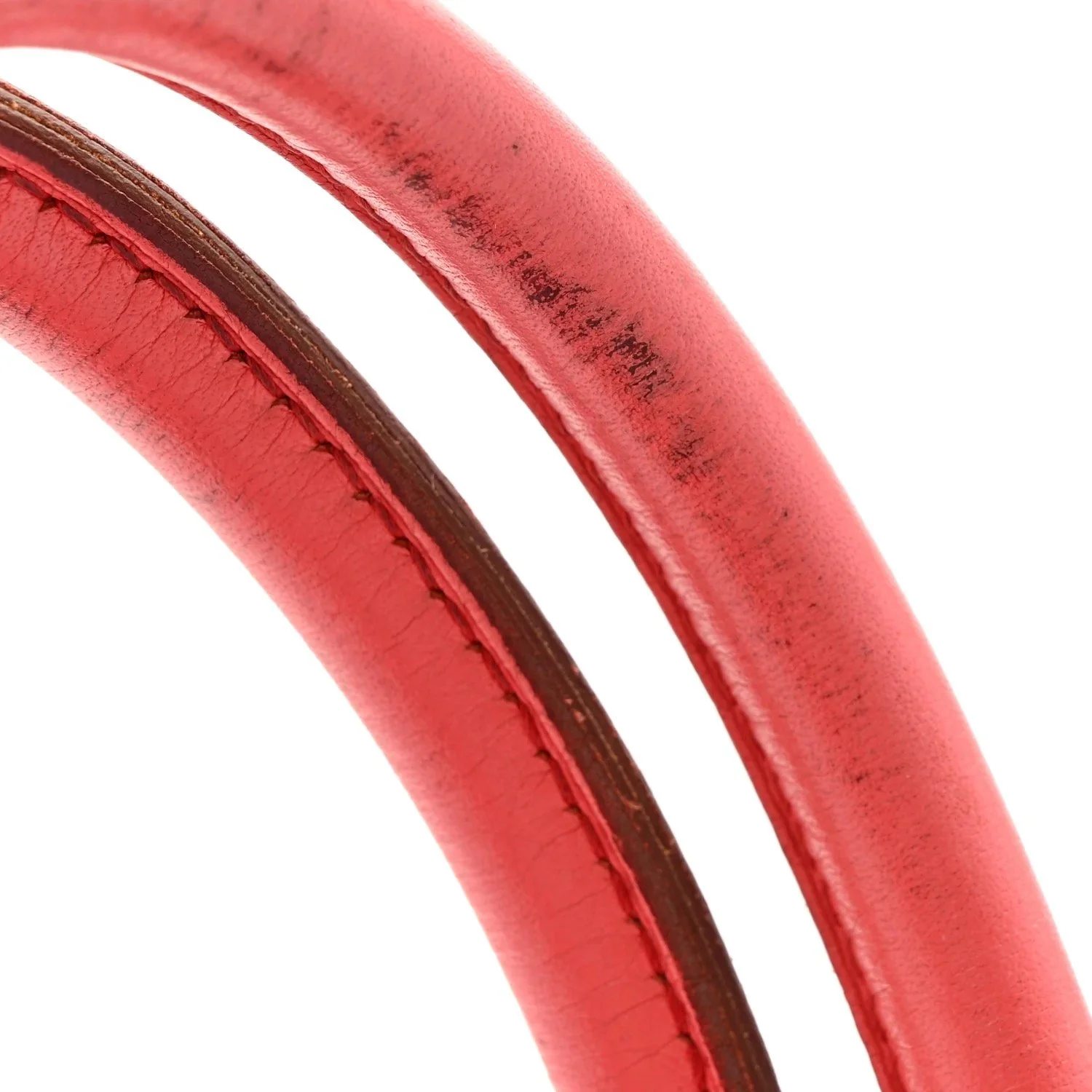
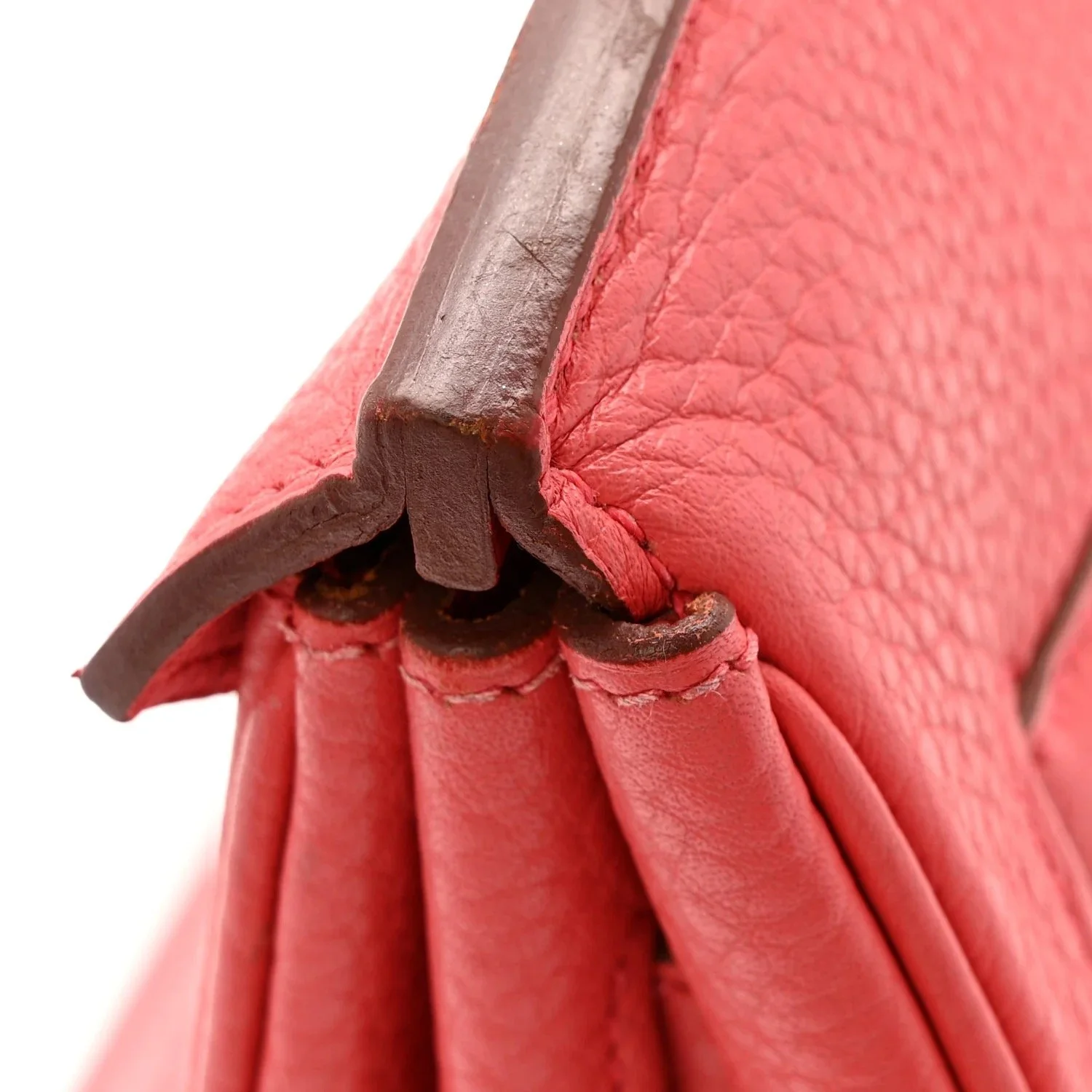
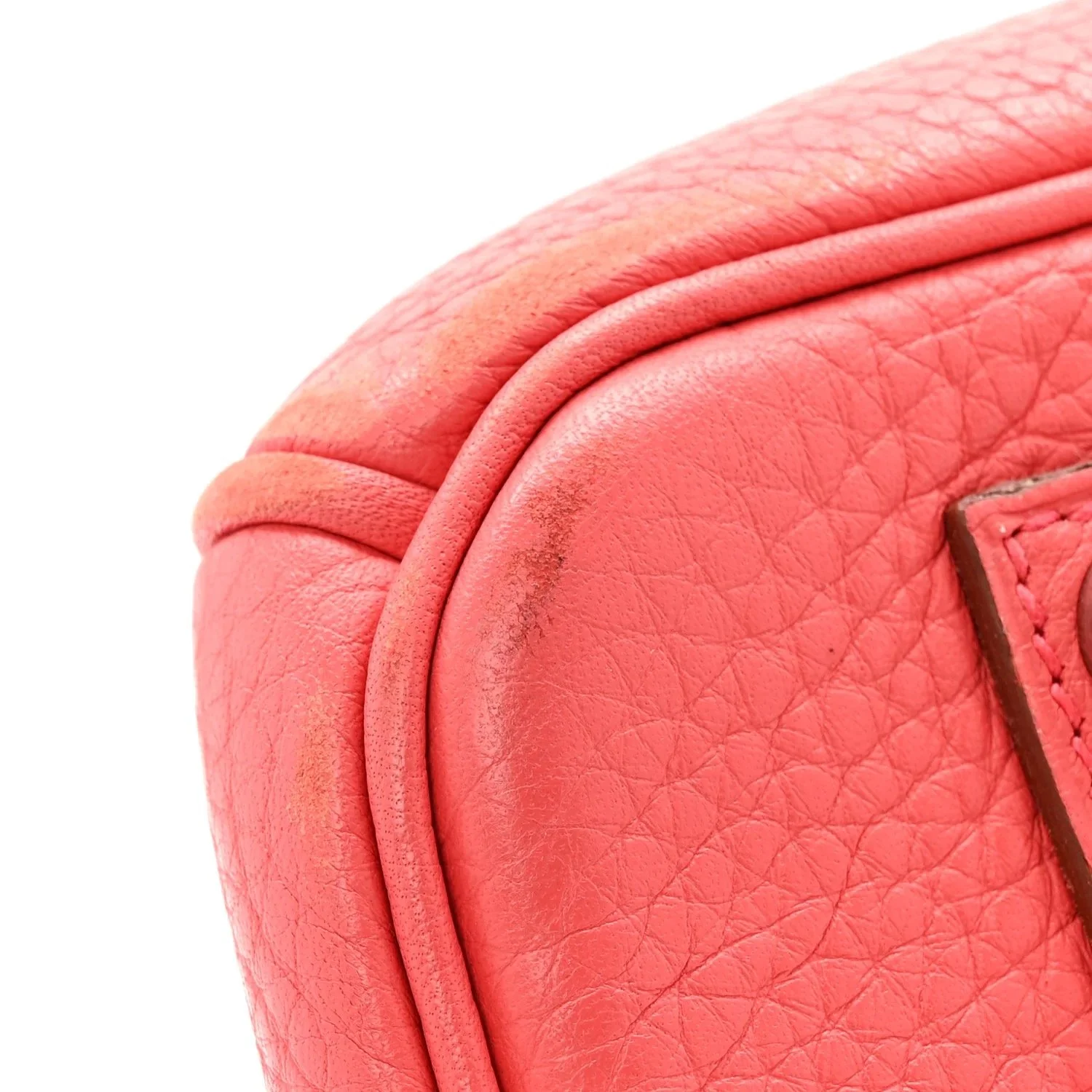
Visible wear on the handles, corners, and softened structure of a Taurillon Clemence Hermès Birkin 35 in Bougainvillea.
Before You Buy
Before purchasing, review the seller’s return policy carefully, including the return window, fees, and how disputes are handled.
If possible, see the bag in person before committing. Photos can miss texture, odor, softness, structure, and signs of wear that become much more obvious once you handle the bag.
For a high-value purchase, it can also be worth using an independent authenticator—particularly if you are buying from a smaller reseller, private seller, or platform where authentication protections are limited.
At this price point, strong buyer protections matter. A generous return policy gives you more flexibility if the bag arrives differently than expected, while restrictive terms make it even more important to be confident in the listing before committing.
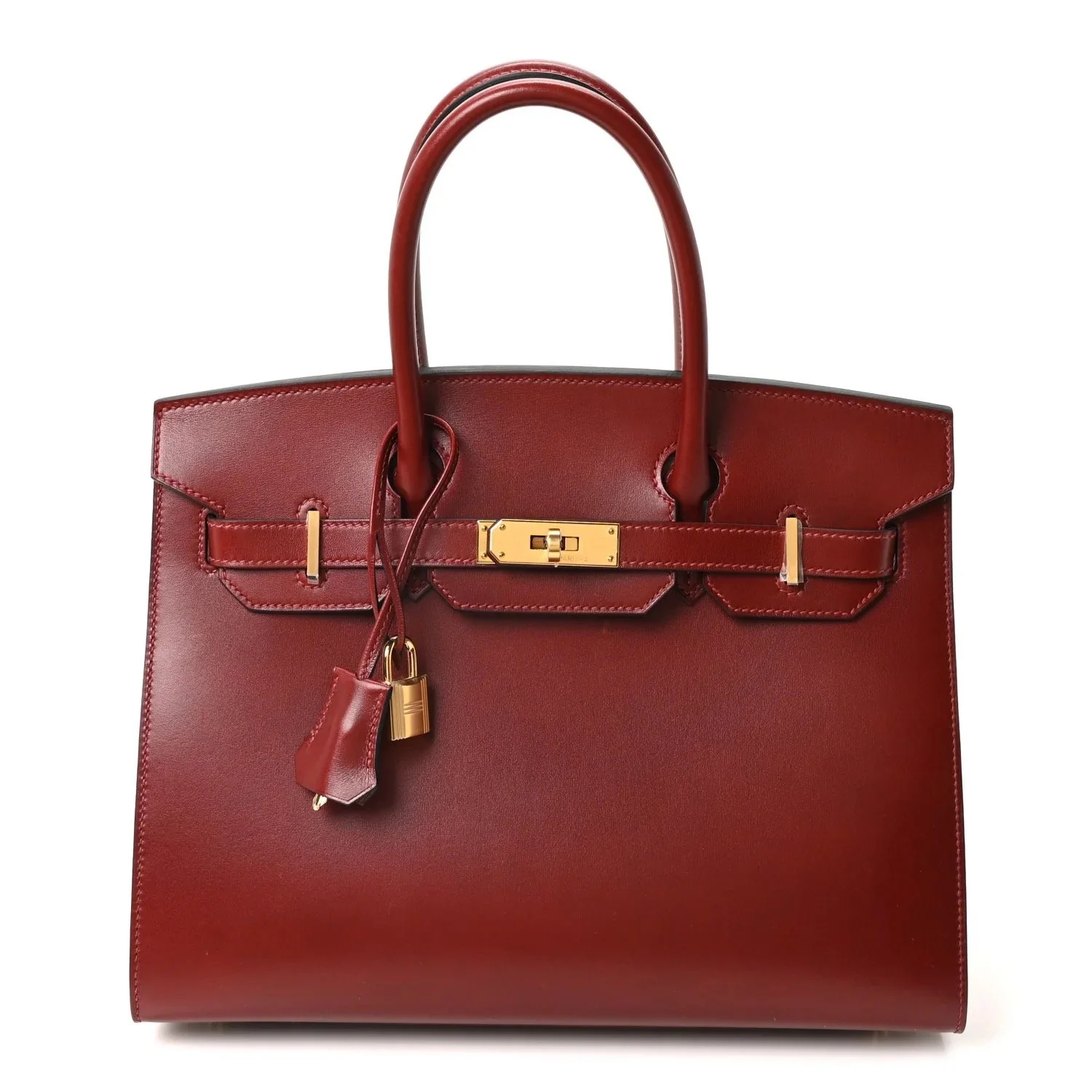
Hermès Box Birkin Sellier 30 in Rouge H with gold hardware, showing the polished structure and rich finish that give this classic combination its lasting appeal.
How to Buy a Birkin on Resale with Confidence
Before you buy:
Define the bag first — size, leather, color, and hardware.
Choose the seller carefully — reputation, authentication process, and return policy matter.
Evaluate condition closely — especially corners, handles, structure, hardware, and interior.
Compare similar listings — price only makes sense in context.
Inspect the bag in person when possible — see it, touch it, and check for odor or wear that photos may miss.
Consider independent authentication for added reassurance on a high-value purchase.
Once the configuration, condition, price, and seller all make sense, you are no longer choosing between every Birkin on the market—you are deciding whether this specific bag is the right one.
Final Take
Buying a Birkin on resale offers something the boutique cannot always provide: choice, timing, and access to the exact configuration you want.
The tradeoff is that resale requires more scrutiny. Condition, authenticity, seller credibility, and pricing all need to be considered together.
For buyers who already know the configuration they want, that extra diligence can be worthwhile in exchange for greater choice and more control over the purchase.
A strong resale purchase is ultimately one where the bag, condition, and price all align.
Continue Exploring Hermès
Hermès Paris Leather Appointment Guide — what to expect, what to ask for, and how to decide whether an offer is truly worth accepting.
Find Your Hermès Appointment Wishlist— take the quiz to identify your strongest first choice, your next-best option, and the backups worth considering before your appointment.
Hermès Mini Bolide Review: Functionality, Resale & Kelly Strategy — reviews the bag, its resale potential, and whether it makes sense if a Kelly is the goal.
The products featured may contain affiliate links.